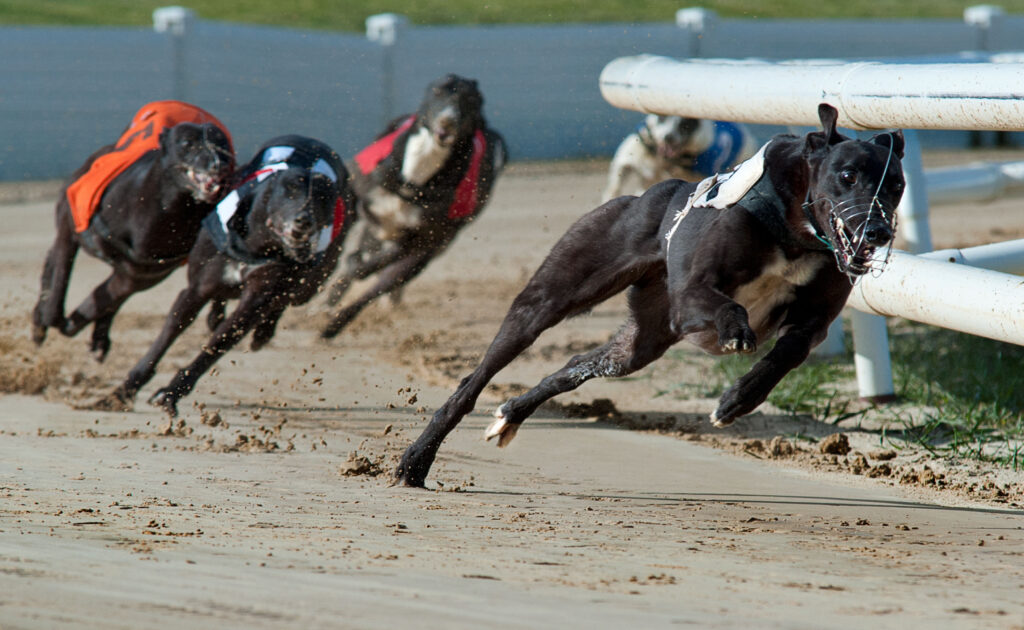
The reality of greyhound racing
Greyhounds are gentle, intelligent and affectionate dogs. Yet every day they continue to suffer in an industry built around gambling profits.
In 2025 alone, Australian greyhound racing reported:
- 287 greyhounds died at Australian racetracks.
- More than 10,785 injuries were recorded.
- On average, 30 greyhounds were injured every day.
- Five dogs died every week because of racing.
These aren’t just numbers.
Behind every statistic is a greyhound who has suffered—a dog who experienced pain, fear or neglect because of an industry that treats animals as commodities.
Every year thousands of puppies are bred into the industry. Many never race at all. Others disappear from official records, are euthanised, abandoned, exported overseas or left to rescue organisations once they are no longer profitable. The industry has also been plagued by scandals involving live baiting, illegal drug use and poor traceability.
These aren’t isolated incidents. They’re the predictable outcome of an industry that continues to place gambling profits above animal welfare.
The finish line is finally in sight
For decades, greyhounds have suffered in the name of gambling and entertainment. But around the world, that is changing.
New Zealand has recently committed to ending greyhound racing. Governments in Wales and Scotland have also announced plans to abolish the industry. Even in the United States, which once had around 40 greyhound tracks across 13 states, now has only two tracks left, both in West Virginia, as state after state has outlawed this cruel industry.
Australia is becoming one of the last countries where commercial greyhound racing continues. However, change is beginning to occur here too. The ACT has already banned greyhound racing, and Tasmania is in the process of phasing it out. This is the closest we’ve ever been to ending greyhound racing in Australia.
With your support, we can help ensure more states follow and finally bring an end to an industry that has caused suffering for so many generations of dogs.

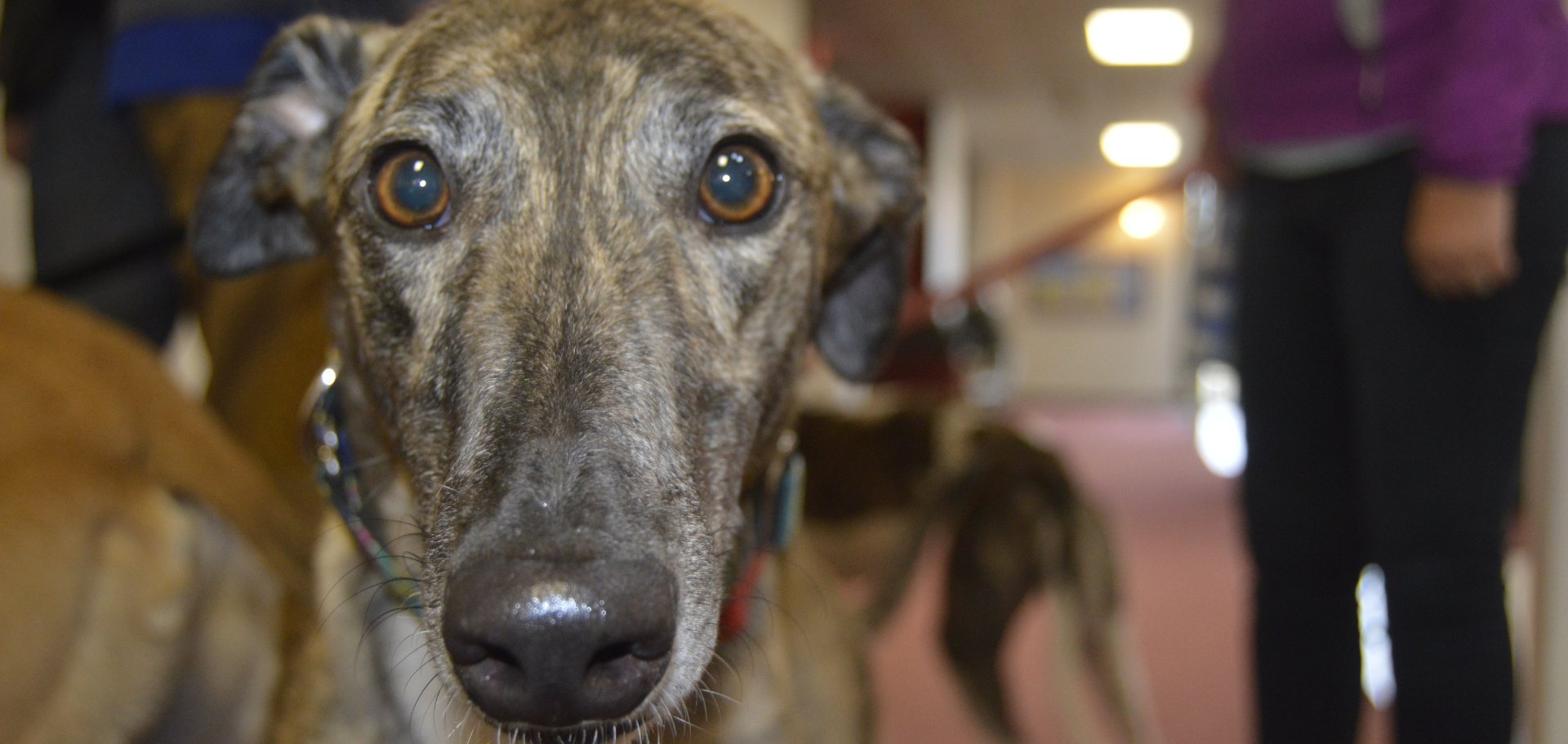
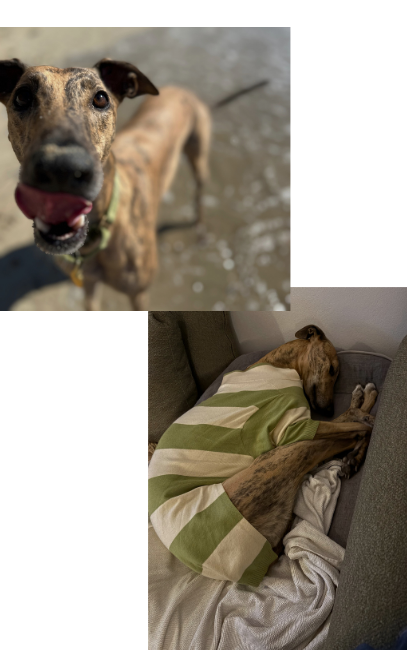 Meet Remy
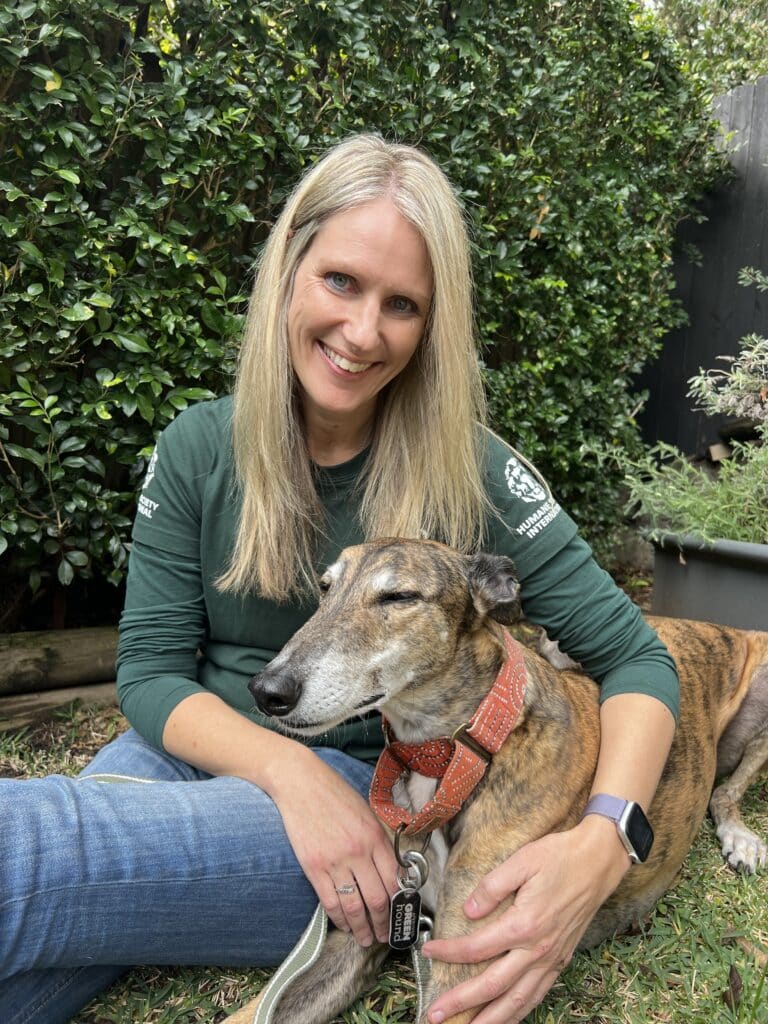 I’ve spent more than 14 years campaigning to end greyhound racing. When I first started, many people believed a ban would never happen because the industry was powerful, politically connected and deeply entrenched.
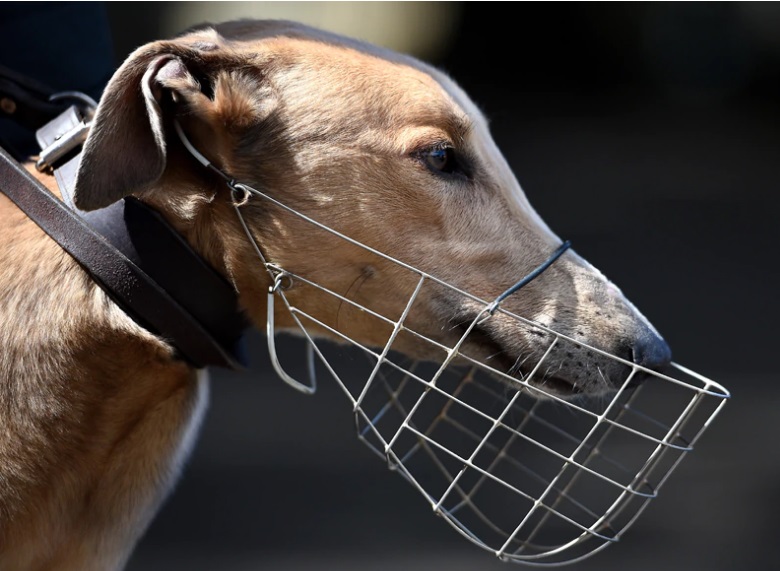 Every greyhound deserves better.
