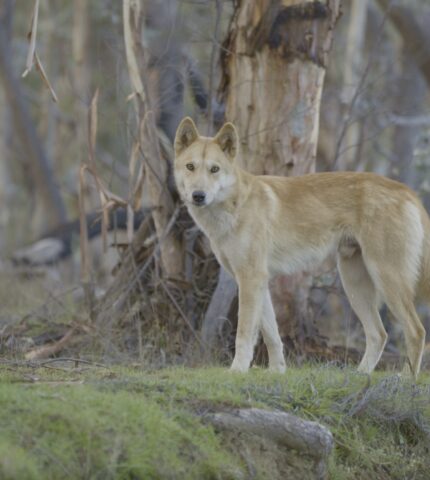
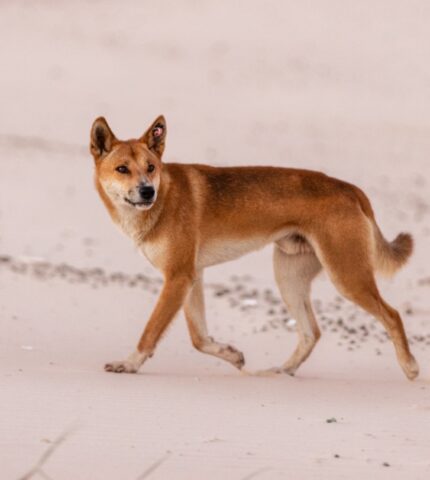
Dingoes are being killed under outdated laws
For more than a century, dingo management in Australia has been shaped by efforts to remove them from the landscape, particularly in areas used to raise farm animals.
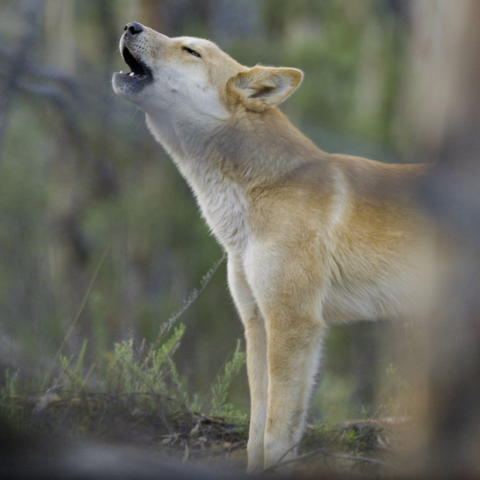
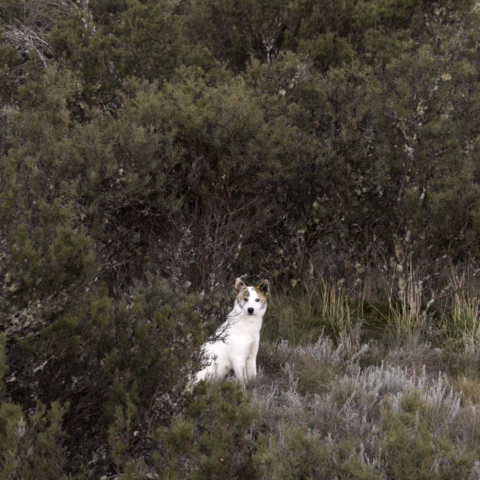
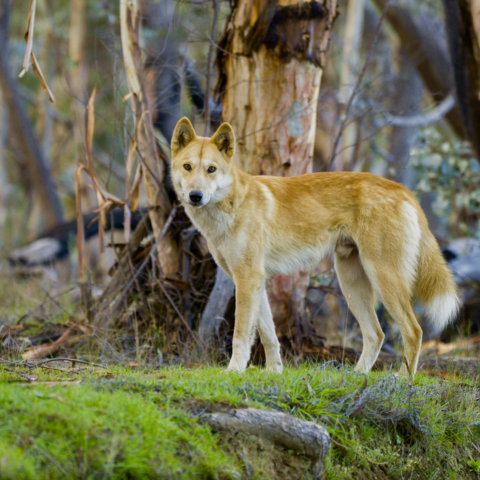
Over time, this approach became embedded in laws, policies and land management practices. Today, in many states and territories, dingoes are still classified as “wild dogs” and treated as pests, despite being a native Australian species that has lived on this continent for thousands of years.
How we classify animals matters. When an animal is labelled a pest, the focus shifts to removing it rather than understanding its role in the environment, its cultural significance, or its value as a sentient living being.
As a result, poisoning, trapping and shooting remain common responses to conflict between dingoes and landholders.
Does killing dingoes work?
Lethal control is often used with the aim of reducing farm animal losses, but growing evidence suggests it is not effective in the long term.
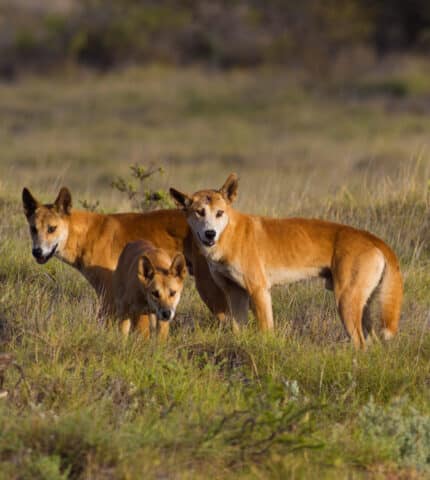
Dingoes live in family groups with established social structures. Within these groups, older animals pass knowledge and learned behaviours to younger generations. When family groups are disrupted through poisoning, trapping or shooting, younger or less experienced animals may act unpredictably. This disruption can sometimes increase, rather than decrease, predation on farm animals.
Lethal control raises significant animal welfare concerns, which can include impacts on other animals through secondary poisoning, and can weaken the ecological role dingoes play in the landscape.
In some states and territories, dingoes are even being killed in national parks, places established to protect Australia’s wildlife. Despite these concerns, thousands of dingoes continue to be subjected to lethal control every year.
Living alongside dingoes
Protecting farm animals and protecting dingoes are not mutually exclusive.
Across Australia, landholders are successfully using non-lethal approaches to manage dingoes while allowing them to remain in the landscape. These approaches are often referred to as predator-smart farming.
Predator-smart farming focuses on preventing dingo predation on farm animals before it occurs. Depending on the property and animals being managed, this can include guardian animals to protect sheep and cattle, exclusion fencing and deterrents to keep dingoes away, and changes to farm animal management practices such as closer supervision during lambing, bringing vulnerable animals into safer paddocks, and the prompt treatment or removal of sick and injured animals.
These methods can help protect farm animals while reducing reliance on lethal control.
Evidence shows that coexistence approaches can reduce conflict while recognising the important ecological role dingoes play in Australia’s environment.
Learn more about Predator Smart Farming.
Why dingo protection laws need to change
Dingoes should be recognised and managed as the native species they are.
Current laws and policies in many parts of Australia continue to prioritise lethal control, despite growing evidence of the ecological importance of dingoes, the limitations of widespread killing, and the availability of effective non-lethal alternatives.
We’re calling on governments to recognise dingoes as native wildlife, invest in coexistence approaches, and replace outdated policies with science-based management that protects both wildlife and farming communities.
It’s time for laws that reflect what we know about dingoes and the important role they play in Australia’s ecosystems.