Most people believe shark nets are there to stop sharks reaching beaches. They’re not. 

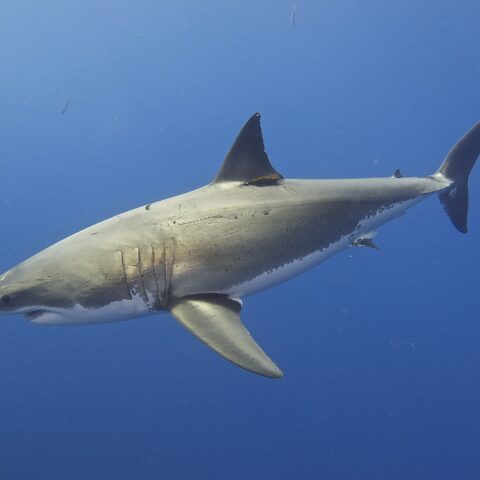
The shark nets used in New South Wales and Queensland aren’t barriers between people and sharks. They’re not enclosures or barriers to the open sea. They are 150-metre-long fishing nets designed to catch sharks, based on a belief that fewer sharks in an area means a lower risk of shark bite.

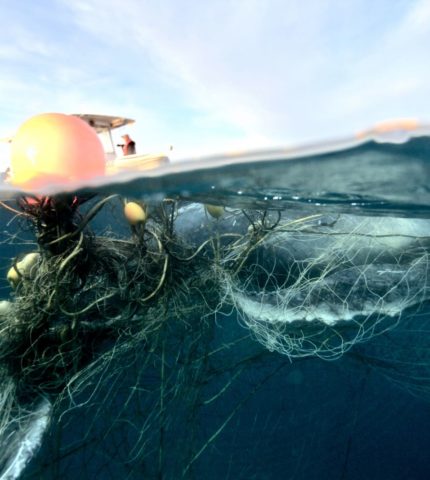
Scientists now know that shark culling doesn’t improve public safety. Sharks can swim around and under the nets, so the nets were never the barrier people assumed them to be. What they do catch is other marine wildlife: sharks, rays, turtles, dolphins and whales, most of them not even the species the nets are meant to target

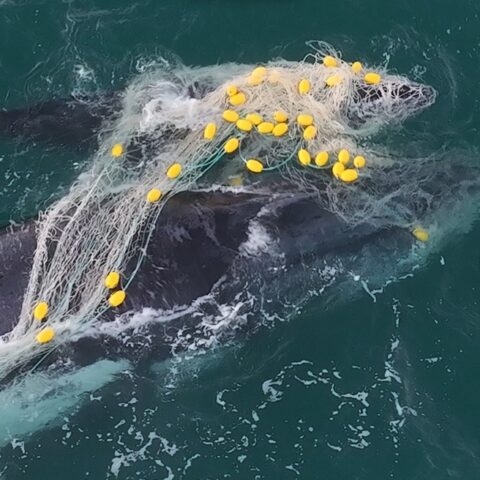
One of the clearest, and most heartbreaking impacts of shark nets is the large number of migrating humpback whales that become entangled in them every year. These gentle giants of the sea pose no threat to beachgoers and are simply following their migration path each year, yet they are still being entangled, injured and traumatised in a system designed to make beaches safer.

At best, shark nets provide a false sense of security. At worst, the dead and dying animals caught in them act like an all-you-can-eat buffet, potentially attracting large sharks to the very areas where people swim and surf.


Why shark nets need to go

A false sense of security

Shark nets don’t stop sharks reaching a beach. They give swimmers and surfers a sense of safety that the nets don’t provide. Nets actually increase risk by attracting sharks closer to shore.

Modern safety options work

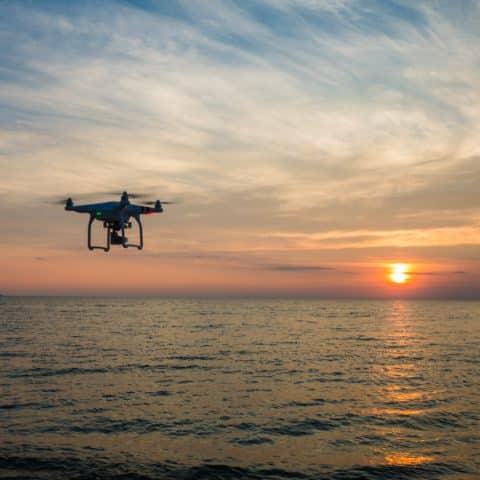
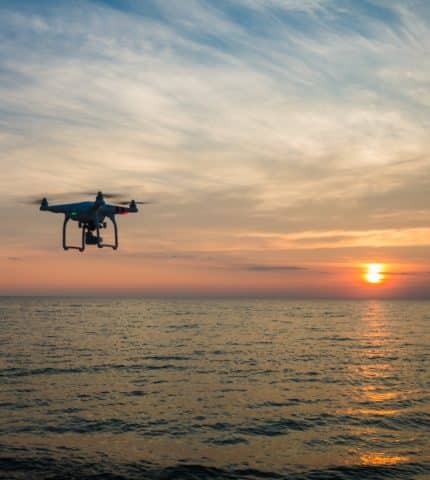
Modern tools like drone surveillance and real-time shark detection can help keep people informed and safe, without killing marine wildlife.

Wildlife pays the price

Every year, hundreds of marine animals are caught or killed in shark nets, many of them non-target species caught by accident, not the sharks the programs are meant to catch.


The hidden cost of shark nets

Most people never see the wildlife caught in shark nets.

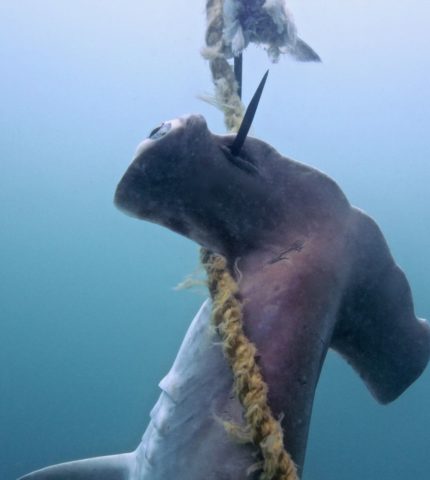
The programs are designed to target a small number of shark species, but most animals caught are non-target species. These include rays, turtles, dolphins, whales, seals, fish and other marine animals.

Many animals become entangled and die before the nets are checked. Some are threatened or protected species, including animals protected under state and federal conservation laws.

In Queensland, shark nets remain in the water during the annual humpback whale migration, where they can entangle and traumatise whales travelling along the coast.

The result is a beach safety program that causes significant harm to marine wildlife while failing to deliver the protection it was originally designed to provide.
 

Better ways to protect people

Protecting people and protecting wildlife are not mutually exclusive.

When shark nets were introduced, there were few alternatives available. Today, technology has transformed how we approach beach safety.

Modern measures such as drone surveillance, shark detection technology, real-time alert systems, education programs and personal deterrents can help reduce risk and give beachgoers more information about conditions in the water.

These approaches focus on helping people make informed decisions and reducing risk without the need to kill marine wildlife.

Beach safety has evolved. It’s time for shark management to evolve too.
 

Why shark net policies need to change

We know far more today about shark behaviour, marine ecosystems and effective risk reduction than we did when these programs began, and we have technologies that didn’t exist back then.

Continuing to use shark nets means relying on a method that hasn’t kept pace with the science.

We’re calling on the Queensland and NSW governments to remove shark nets and lethal drumlines, and invest in modern, evidence-based approaches that protect both people and marine animals.
 

How you can help

Shark nets continue to kill marine wildlife in New South Wales and Queensland. By taking action today, you can help accelerate the shift toward modern beach safety measures that protect both people and animals.

Live in Queensland? Tell the Queensland Government to end shark culling and replace shark nets and lethal drumlines with modern beach safety measures.

Live in New South Wales? Tell the NSW Government to remove shark nets and invest in evidence-based beach safety solutions.

Read more

Science over sensationalism: a shark cull won’t make our beaches safer. Here’s what will.

Science over sensationalism: a shark cull won’t make our beaches safer. Here’s what will.

Shark bites over the last two years have rocked the New South Wales surfing and ocean-going community and understandably, it’s left everyone asking what can be done about them. In response, the NSW Government have unveiled a substantial investment in drone patrols that will undoubtedly make our waters safer.   But while these will help,…

Read More
IWC70: a front-row seat to Australia’s torment of migrating humpbacks

IWC70: a front-row seat to Australia’s torment of migrating humpbacks

Every two years, member nations of the International Whaling Commission (IWC) convene to discuss matters under the Commissions charter. This year is Australia’s turn to host the 70th meeting of the Commission (IWC70) in…

Read More
More shark drones welcomed but the NSW Government is still ignoring the science on shark nets

More shark drones welcomed but the NSW Government is still ignoring the science on shark nets

The NSW Government’s announcement today of year-round and early morning drone coverage is excellent news for beach safety but as New South Wales residents seek answers to reduce shark bite risk, the government has…

Read More
Read More
icon-bg-leopard

Become an Animal Defender

Join us as a monthly donor and commit to making a better world for animals

icon-bg-turtle
close icon