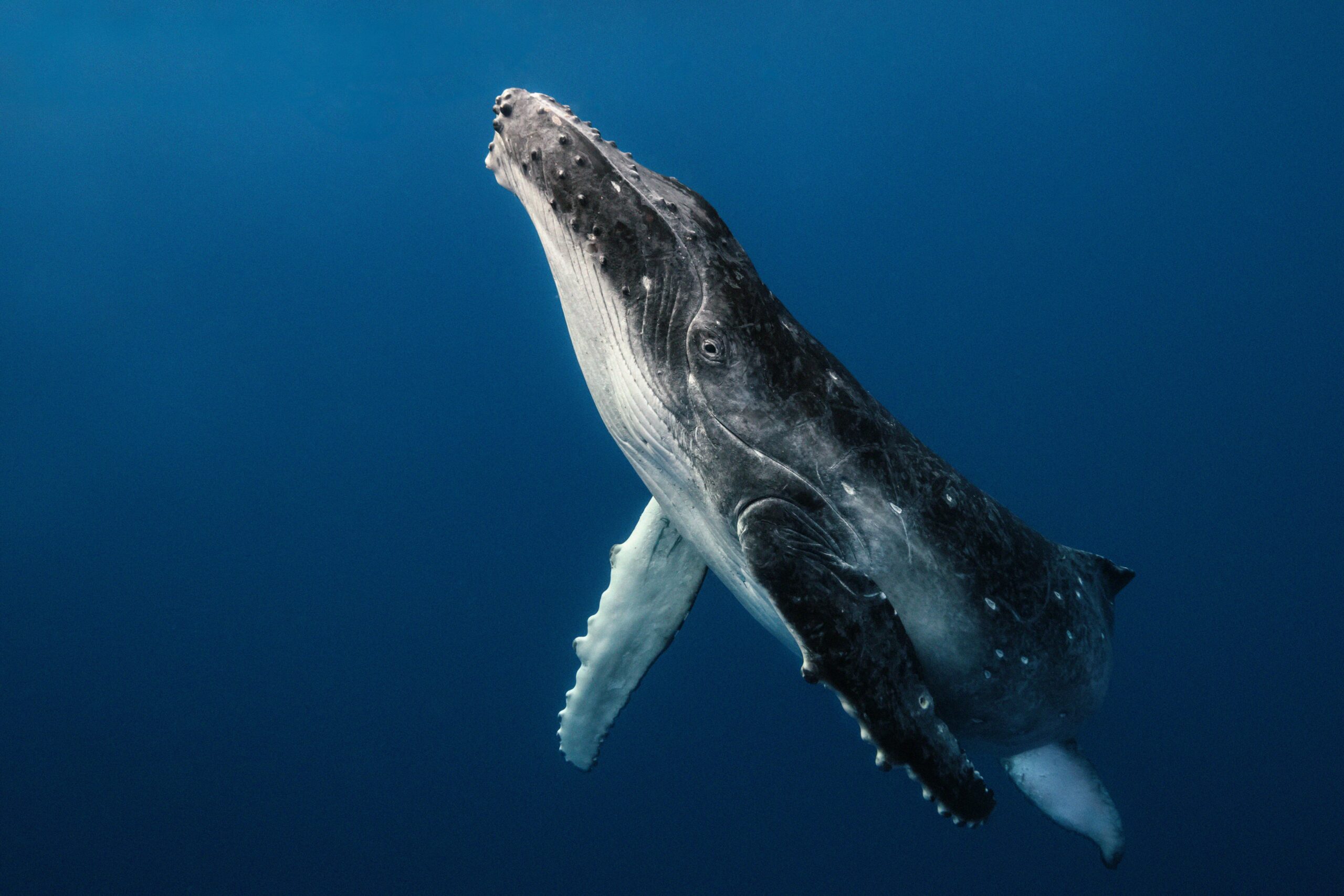
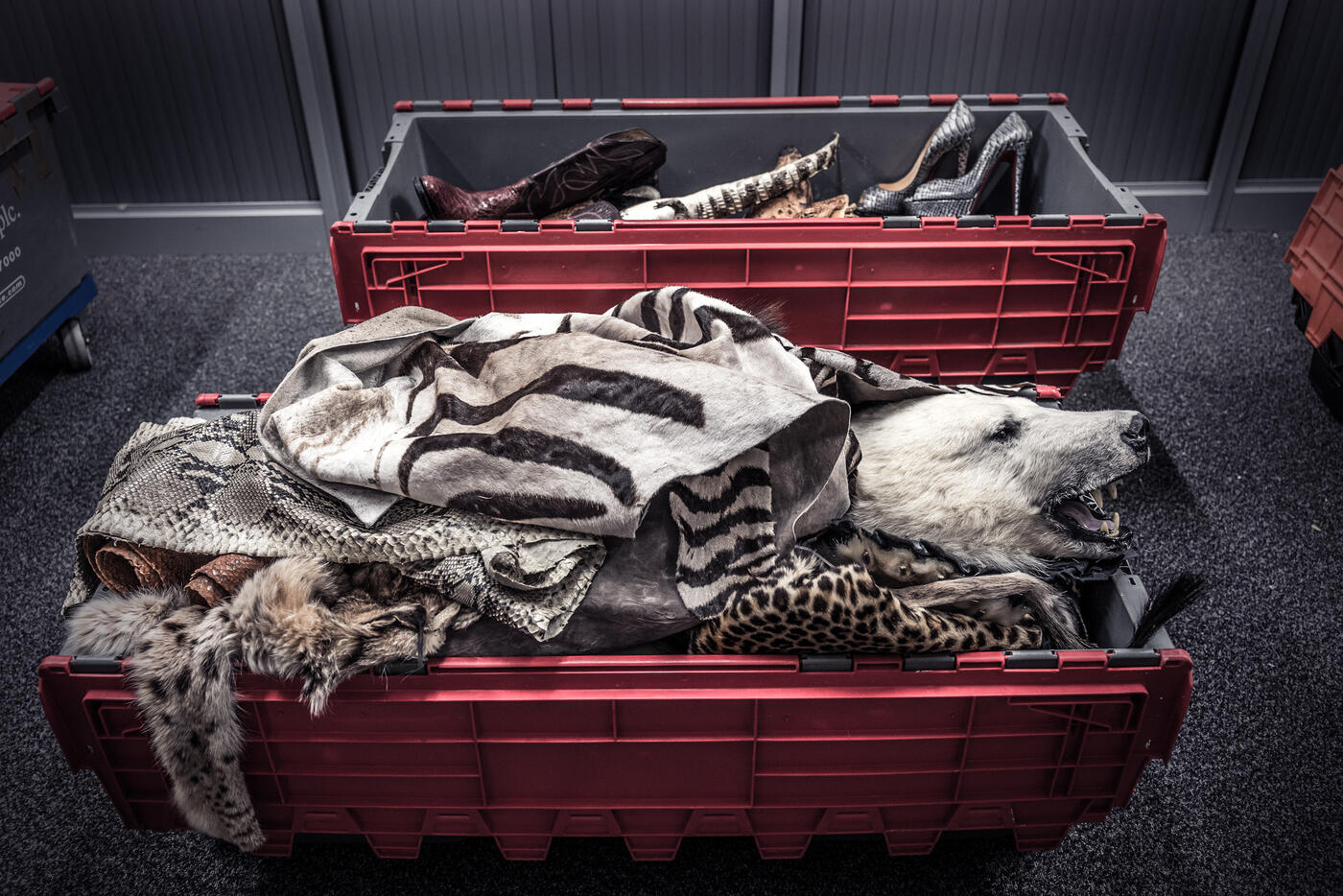
93% of Australians polled in a new YouGov national survey commissioned by Humane World for Animals Australia think that the Albanese Government should be delivering on its election promise to expand the nation’s list of species that cannot be imported as hunting trophies. At the May 2025 federal election, the...
Recently published figures from the Victorian Government have revealed a disturbing trend in yearly wildlife killing statistics as the number of animals permitted for destruction saw another sharp increase on top of previous figures. The Victorian Government authorised 4,321 wombats for lethal control in the state in 2025, a sharp rise over 2,692 in 2024 and a more than doubling of the 2023 figure of 1,902.
The statistics, published annually, reflect the number of animals allowed to be killed under licences called ‘Authorities to Control Wildlife’, issued between 1 January and 31 December. These licenses allow landholders to shoot or trap wildlife alleged to be causing property damage. In 2025 the government also authorised the destruction of 3,018 black wallabies, 919 emus, 2,245 little corellas, 162,644 eastern grey kangaroos and 3,410 rainbow lorikeets.
Humane World for Animals Australia’s Wildlife Program Manager Dr Renae Charalambous said the numbers point to a glaring disregard for native wildlife in the state.
“Permits to kill wildlife are meant to be issued as a last resort, when landholders can demonstrate that all humane methods of animal control have been exhausted,” said Dr Charalambous. “In reality, the Victorian Government is handing out ever-increasing numbers of these licences without any form of due diligence systems in place to examine whether efforts have been made to avoid wildlife destruction. It’s a free-for-all that is seeing hundreds of thousands of animals needlessly killed every year as lethal control and disdain for wildlife are normalised.
“The increasing number of wombats authorised for lethal control is inexplicable and digraceful. This protected native species is already facing multiple pressures such as habitat loss, disease and road strike and there’s a wealth of practical, non-lethal solutions to address ‘conflicts’ with wombats that already exist.
“Reforms to Victoria’s Wildlife Act are urgently needed, to stop this unnecessary, routine killing of our native wildlife. Proof must be provided to the government that non-lethal measures have been exhausted before a permit should even be considered.”
Our 2024 report, Licence to Kill: The Shocking Scale of Native Wildlife Killing in Australia, revealed the scale of government-approved wildlife destruction in Australia and the species most impacted— including wombats, kangaroos, cockatoos and wallabies. Many of these killings occur with minimal oversight and few requirements to ensure they are justified or humane.
Wombats are among the native animals frequently targeted under Australia’s wildlife killing regimes. Permits are typically issued in response to claims of property damage, particularly to fencing or pasture. But wombats are slow-breeding and territorial, meaning the death of even a single individual can affect the stability of local populations.
Despite being protected under law, thousands of wombats are legally killed each year under licence—a figure that is likely an underestimate, due to inconsistent monitoring and limited reporting. Humane alternatives, such as wombat gates and wildlife-friendly fencing, are rarely promoted or supported by government agencies.
Media Contact: Sam Edmonds: 0436 302 272; sedmonds@humaneworld.org
.