93% of Australians polled in a new YouGov national survey commissioned by Humane World for Animals Australia think that the Albanese Government should be delivering on its election promise to expand the nation’s list of species that cannot be imported as hunting trophies. At the May 2025 federal election, the...
Every two years, member nations of the International Whaling Commission (IWC) convene to discuss matters under the Commissions charter. This year is Australia’s turn to host the 70th meeting of the Commission (IWC70) in Hobart, Tasmania between 27th September and 2nd October. This timing could provide a front row seat for visiting governments, scientists and whale protection organisations to the ordeal Australia inflicts on migrating humpback whales in the shark nets on our East Coast.
While Iceland, Norway and Japan (long-standing proponents of commercial whaling) will inevitably receive condemnation from the whale conservation community at IWC70, Australia’s own mistreatment of whales can be expected to be on full display as the last several years have seen whales suffering traumatic entanglements in the Queensland and New South Wales governments’ shark nets at that time of year.
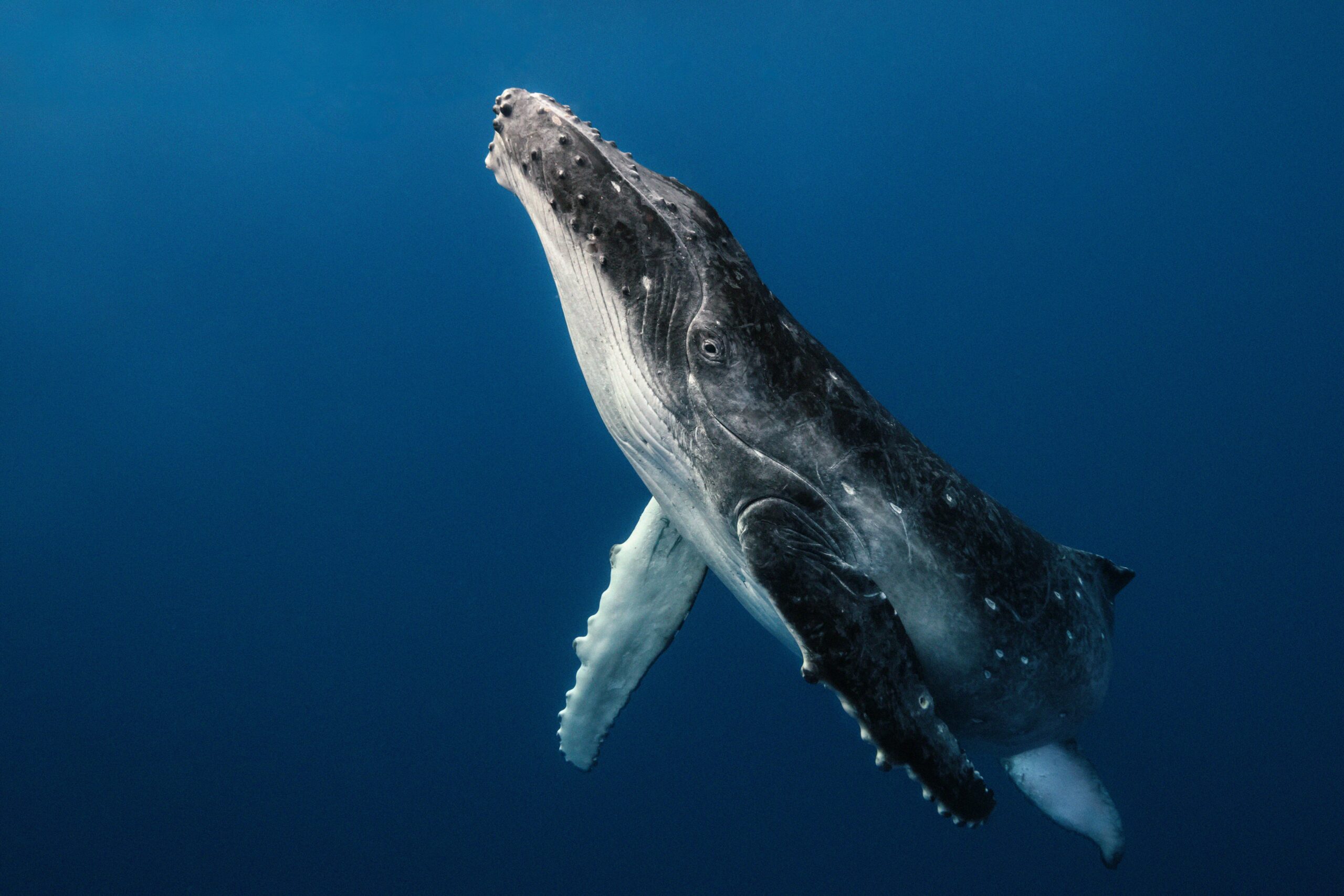
Thanks to brave and dangerous rescue efforts, whales caught in shark nets are usually released alive, but only after enduring extreme distress and trauma during which time they may be injured and will expend precious energy trying to free themselves—energy that is needed for their epic journeys back to their feeding grounds in Antarctica. Survival rates post these events are simply not known.
Often, it is a humpback calves who are entangled while distraught mothers try to keep them afloat and alive. Just last year, an international media audience watched in horror as a mother humpback desperately tried to free her calf from entanglement in Noosa—an event that prompted the signatures of over 70,000 international petitioners to end Queensland’s disregard for the welfare of these animals that are a mainstay of their tourism economy.
A committee that advises the Queensland Government on the operation of its Shark Control Program recommended removing the shark nets for the winter to avoid the whale migration and public surveys have shown a disdain for shark nets in both states.
Shark nets don’t work and humpback whales are traumatised every year for no public safety benefit.
While governments will be deciding how to address global threats to whales in Hobart, the occasion of the IWC in Australia will shine a spotlight on the treatment of whales in our own state government programs.
Humane World for Animals Australia has asked the federal Environment Minister, who will host this IWC meeting, to remove the exemptions in Australia’s federal environment law the state governments rely on to continue their shark culling programs.
We will be attending IWC70 to advocate for whales and the need to remove cruel shark nets from Australia’s waters immediately.