Ellen Regan and Leslie Regan are the owners of Scribbly Hollow a wildlife sanctuary situated in Tallong east of Marulan, New South Wales. The property is neighboured by properties with habitat and quiet bushland including an adjacent property featuring thick bushland connecting to a large lake. The property can be divided into three sections: The front section which contains native vegetation left for habitat, the middle section which contains the home, shed/garage and large chicken coop which is to be renovated to be used for rehabilitation and the back third of the property is sectioned off with an electric fence with a dam and lots of native trees. Owner Ellen is a wildlife rehabilitator, rescuer and mange treater. Since acquiring the property, the owners have been working on removing invasive plants and making it safe and accessible to wildlife. Future plans for the property include building a large, adult wombat rehab enclosure for pre-release wombats, planting more nectar feed trees and generally developing the property as habitat and establishing it as a safe haven for wildlife.
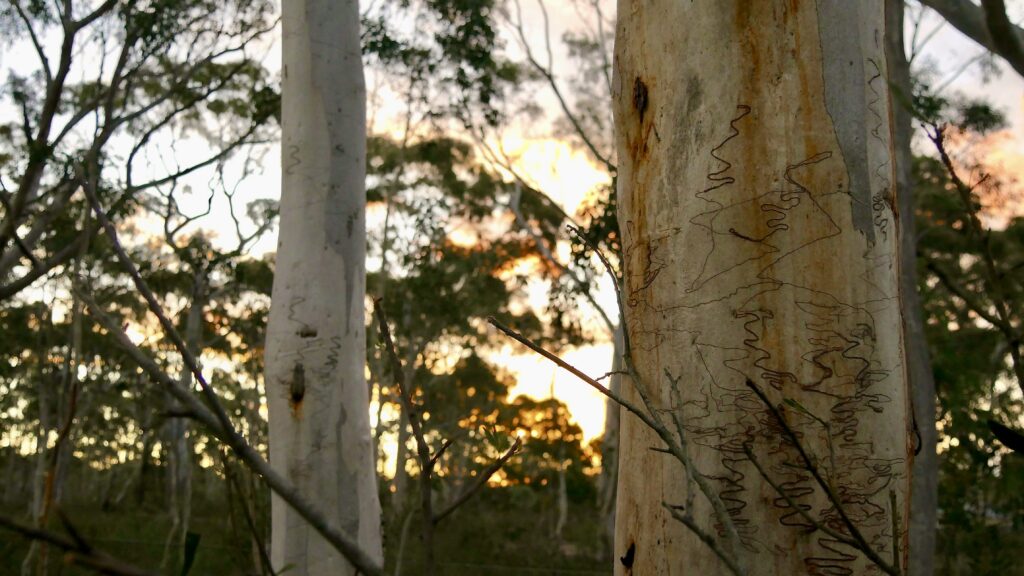
Scribbly Hollow spans 1.1 hectares across Southern Tableland Dry Sclerophyll Forests including the plant community type Bungonia Tableland Scribbly Gum Shrub Forest. The property is comprised of sandy, clay, rocky ground. Scribbly Hollow features native flora species mostly eucalypts, scribbly gums (Eucalyptus rossii), grey gums (Eucalyptus punctata), a lot of healthy Acacia trees, and some female/male she oaks (Allocasuarina sp.). The property features native grass, especially in the front and back sections. A few gardens have cactus and invasive plants from the previous owners which the new owners are now working at removing and replacing with natives.
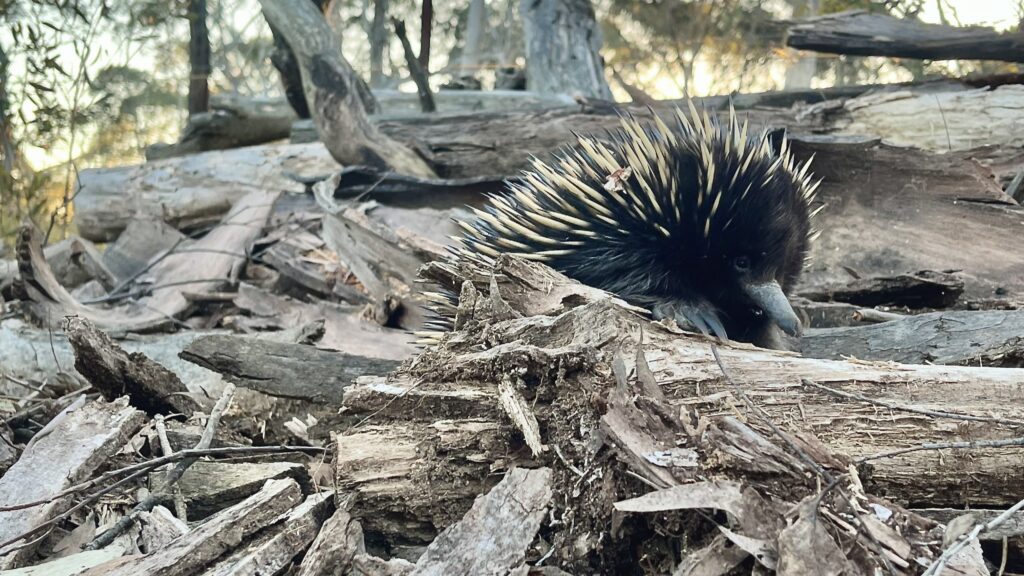
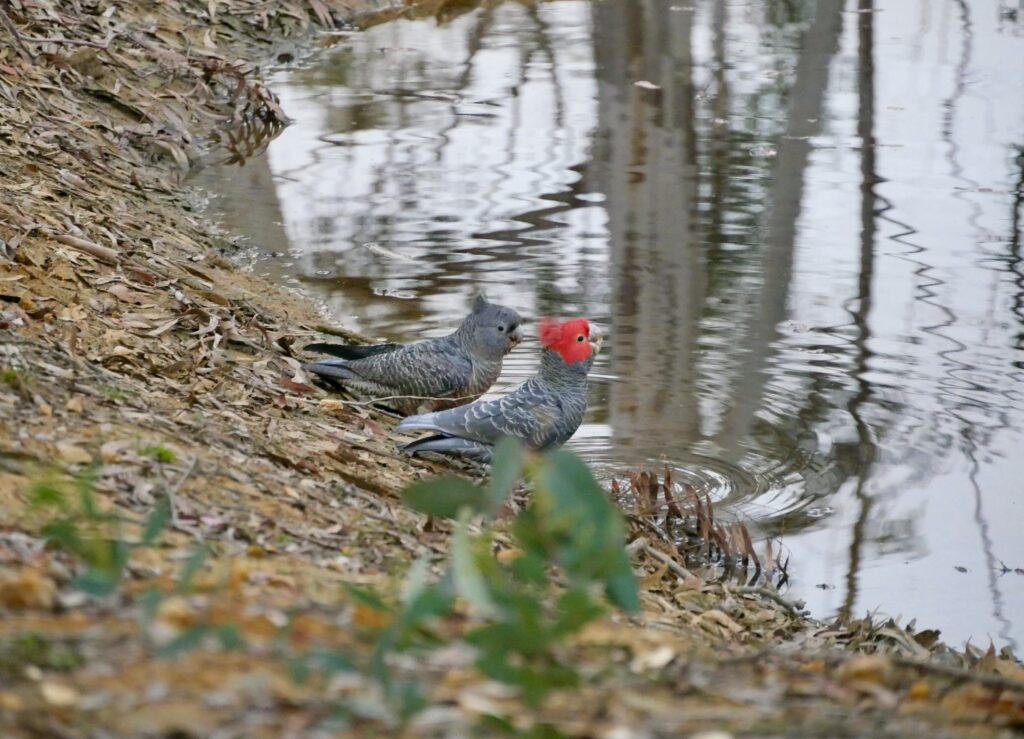
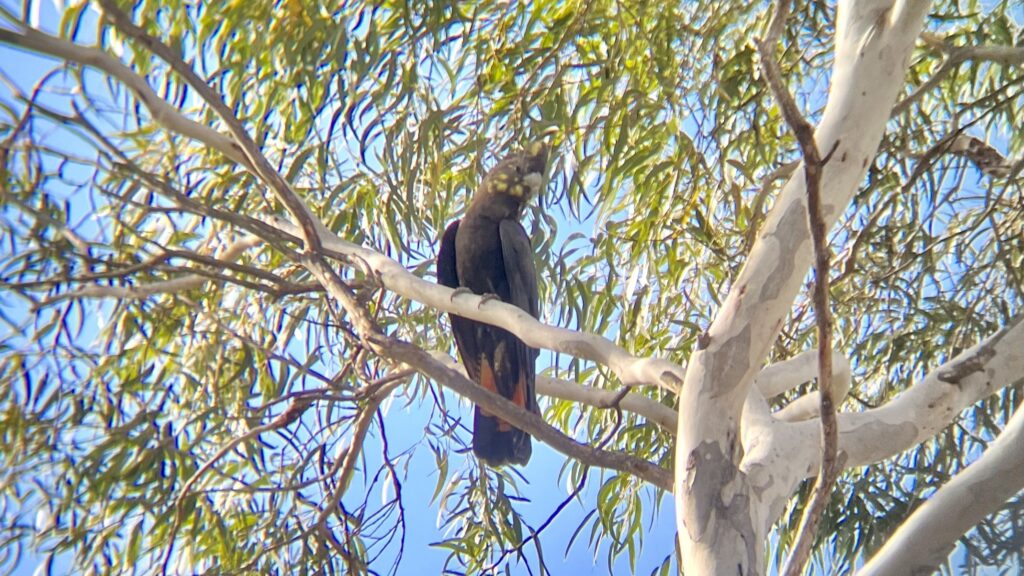
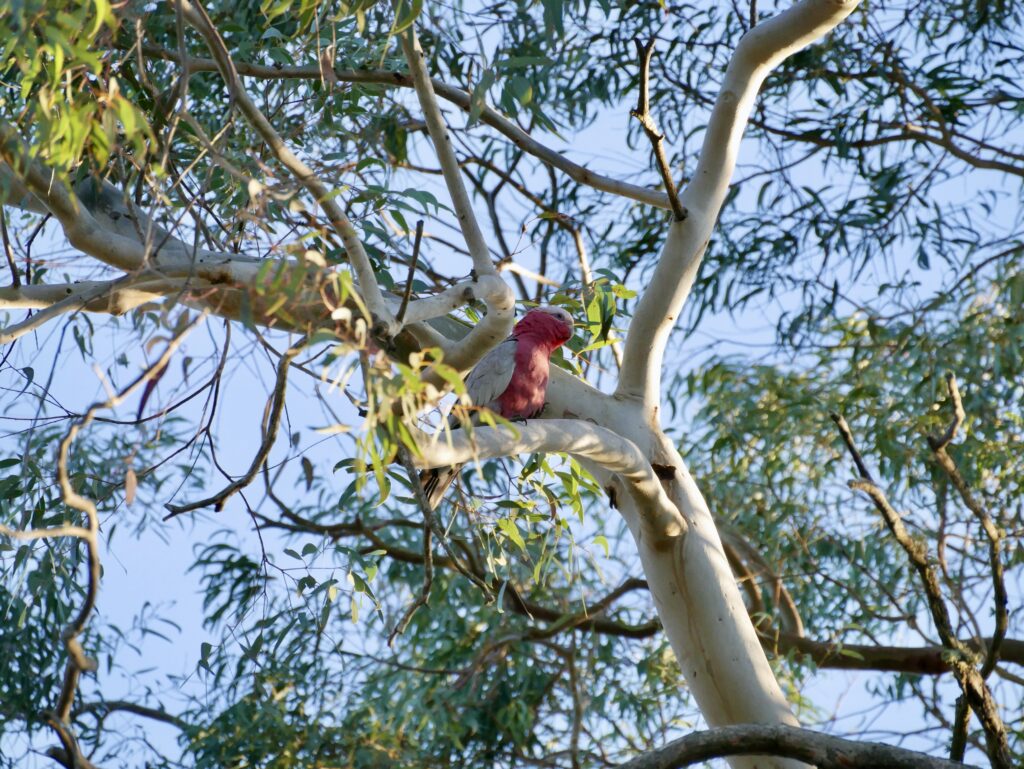
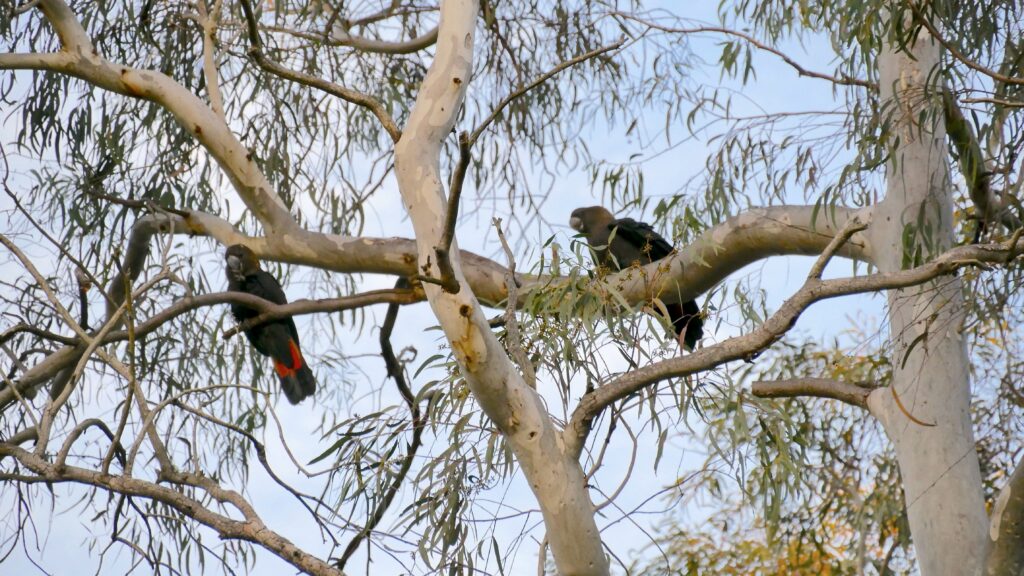
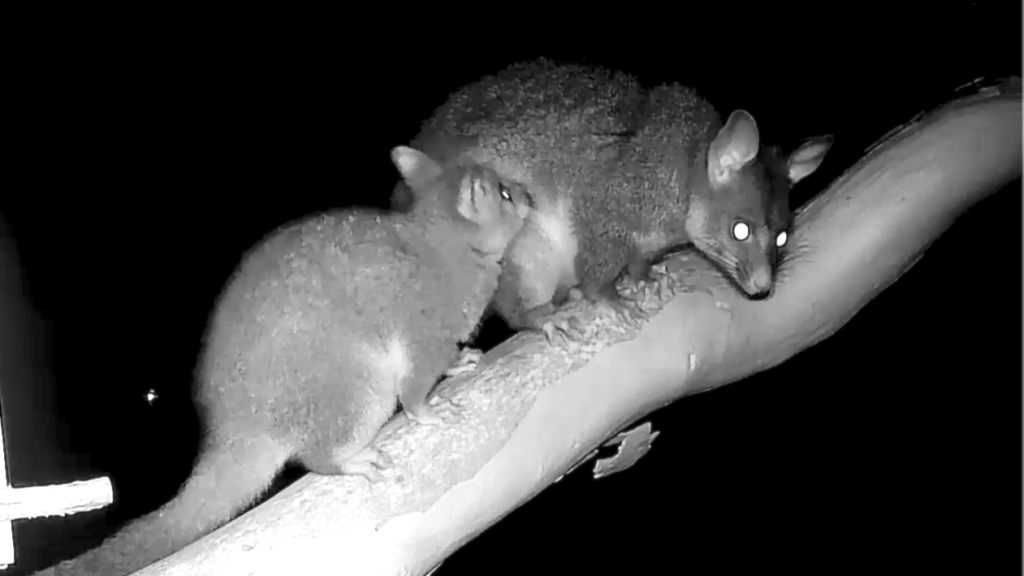
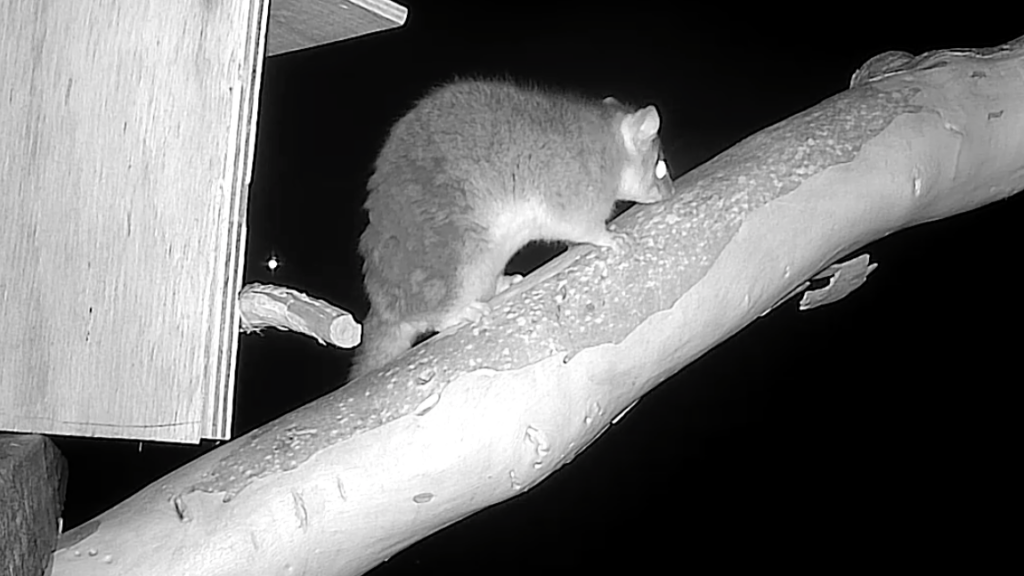
An extensive range of wildlife is found at Scribbly Hollow, including eastern grey kangaroos (Macropus giganteus), brushtail possums (Trichosurus vulpecula), ringtail possums (Pseudocheirus peregrinus), sugar gliders (Petaurus breviceps), an adult couple of glossy black cockatoos (Calyptorhynchus lathami), yellow-tailed black cockatoos (Calyptorhynchus funereus). While there are two wombat burrows, they are not currently used and the owners haven’t seen a wombat on the property since moving in December 2025. Possums, gliders and a single fox were captured from a camera trap placed at the property.