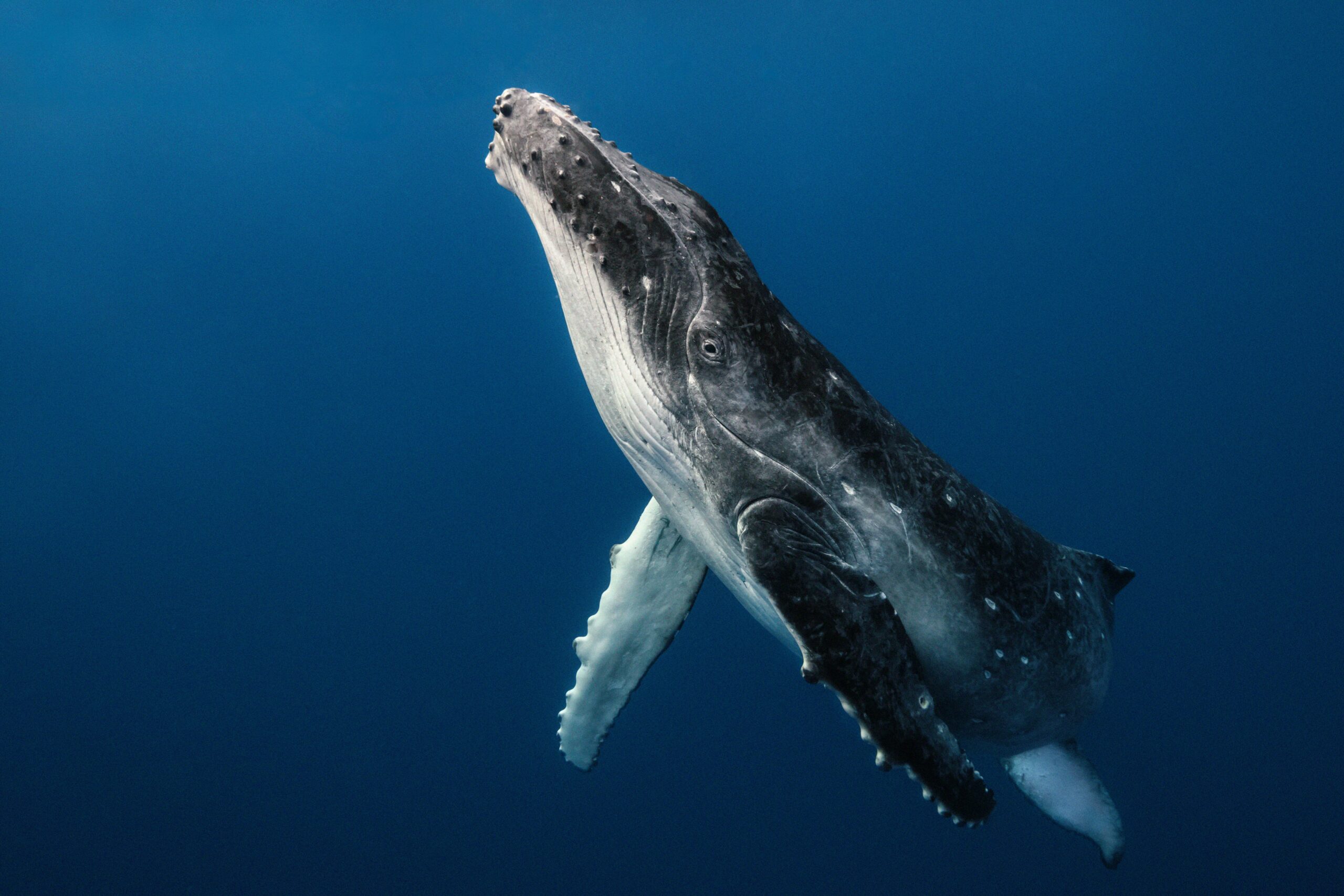
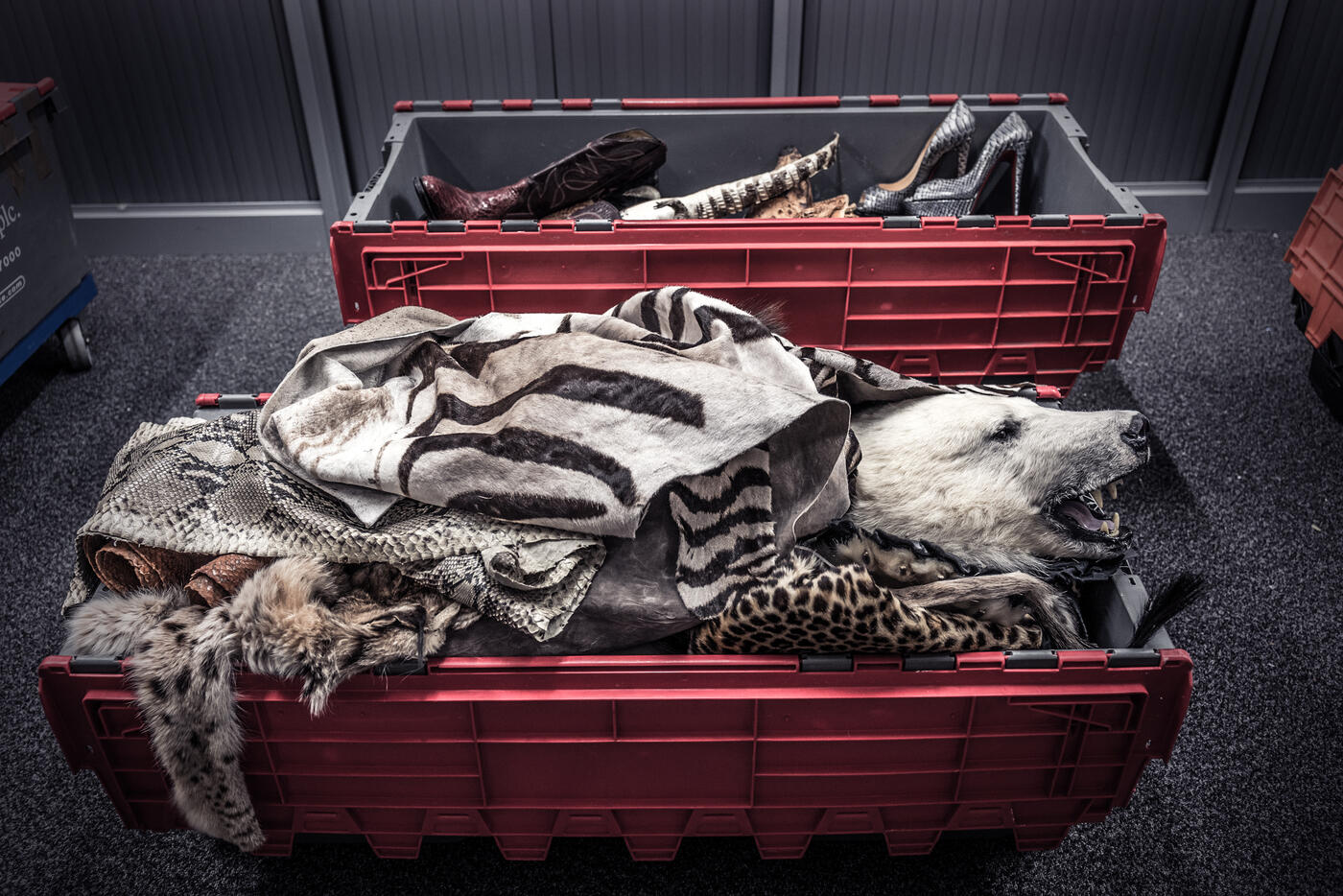
93% of Australians polled in a new YouGov national survey commissioned by Humane World for Animals Australia think that the Albanese Government should be delivering on its election promise to expand the nation’s list of species that cannot be imported as hunting trophies. At the May 2025 federal election, the...
The debate over mulesing is too often framed as a contest between animal welfare advocates and farmers. But calls to phase out this practice are not driven by ideology. They are driven by veterinary advice, animal welfare science, growing market demand and the experience of wool producers who have already transitioned.
The evidence increasingly points towards a future beyond mulesing, and the focus now should be on how Australia manages that transition effectively.
At Humane World for Animals, we support solutions that tackle flystrike effectively, while delivering the best welfare outcomes for sheep. That is why we advocate for breeding sheep that are naturally resistant to flystrike through genetics.
We are not calling for an overnight ban of mulesing. We are calling for a well-planned, time-bound phase-out over a reasonable timeframe, developed with wool producers and backed by practical support.
Time has already told us that voluntary change alone will not get the job done and market forces risk leaving Australia’s wool industry behind. In fact, it was wool producers themselves who first approached us several years ago about this solution because they were frustrated by the industry’s slow progress in moving beyond mulesing.
The Australian Veterinary Association’s (AVA) recent decision to formally advocate for a phase-out of mulesing marks a significant turning point in this long-running debate and strengthens the case for establishing a transition timeline. The AVA recognised that the future lies in breeding flystrike-resistant sheep and transitioning away from surgical interventions. The pathway forward is clear: genetics offers the most effective long-term solution to flystrike, multimodal pain relief can reduce suffering in the interim, and a planned transition can end mulesing in Australia altogether.
While a phase-out is planned, pain relief must be addressed urgently to reduce the extent of the suffering now. Industry often points to widespread pain-relief use, but most lambs are only administered topical anaesthetic after the mulesing mutilation has taken place. The AVA recommends multimodal pain relief, combining a topical anaesthetic with a non-steroidal anti-inflammatory drug (NSAID). This veterinary best-practice approach should be mandatory and adopted industry-wide immediately.
Ultimately, this is not a choice between animal welfare and wool production. Producers who have used genetics to cease mulesing report benefits for productivity and profits. It is a choice between continuing to rely on a painful practice from the past or managing a practical transition to a more humane future.
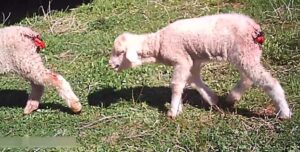
The industry now has the tools, the science, the market signals and the veterinary backing to move beyond mulesing. And the AVA’s position highlights the need for government leadership. With progress across the states remaining slow and inconsistent, it is time for the Federal Government to lead an update of the national sheep welfare standards and establish a clear, staged pathway to phase out mulesing over a reasonable timeframe.
We’re not advocating for a transition overnight. Wool producers need the certainty and support to invest, adapt and succeed in a future beyond mulesing. A planned transition, developed with producers and informed by science, veterinary advice and practical experience, provides the pathway to get there. The first step is letting go of the past.