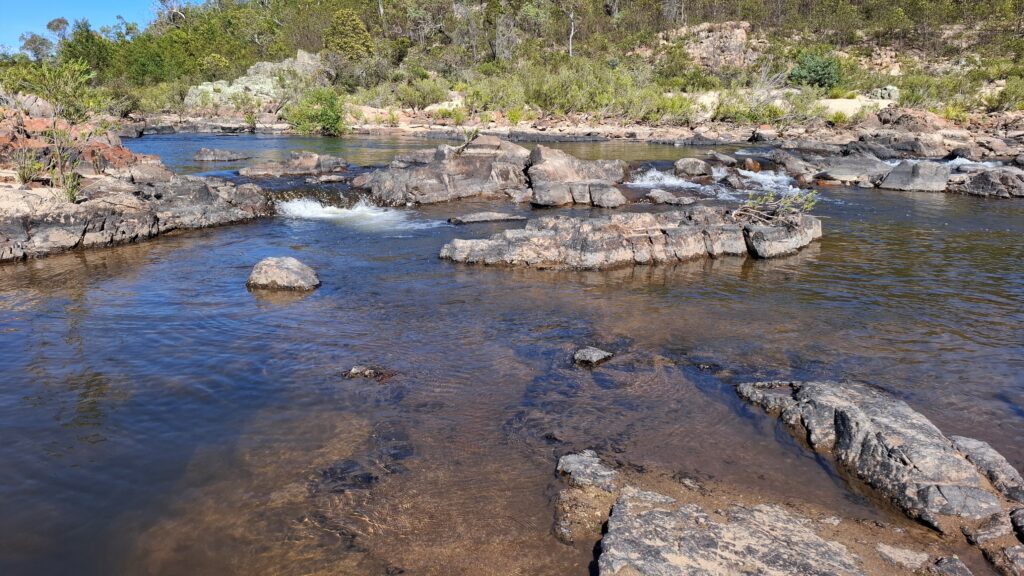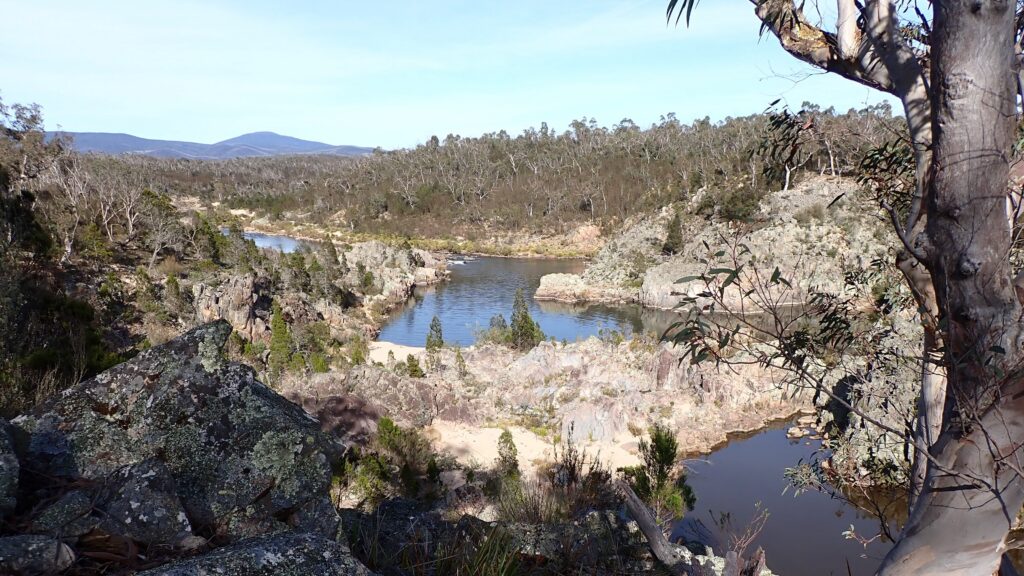
Sharon Fulcher is the owner of Yiramir, a property situated in Braidwood, New South Wales. The property is a conservation area protecting heathy woodland on sandstone and granite with extensive riparian areas. Yiramir borders 1.4km of the Shoalhaven river frontage, and 1.2km of Gillamatong Creek which enters the Shoalhaven River after originating near Braidwood. The reserve features private sandy beaches, river rapids, and large swimming holes. The property was previously impacted by the 2019 bushfires and is naturally revegetating. The owner is also intending in the future to put a conservation order on the property and Sharon welcomes contact from those people wishing to conduct research into the geology, history and flora and fauna of the property.
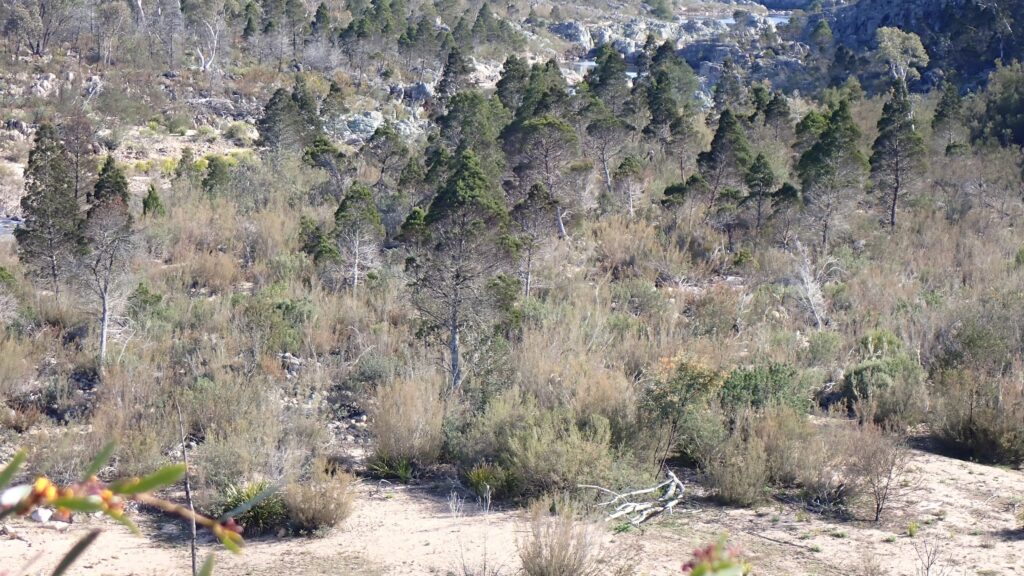
Yiramir spans 107 hectares across Dry Sclerophyll Forest: Palerang Hills Peppermint Dry Shrub Forest and Southern Tableland Western Hills Scribbly Gum Forest, Freshwater Wetlands: Southern Highlands Sand Swamp Sedgeland and Grassy Woodlands: Southern Tableland Creekflat Ribbon Gum Forest.
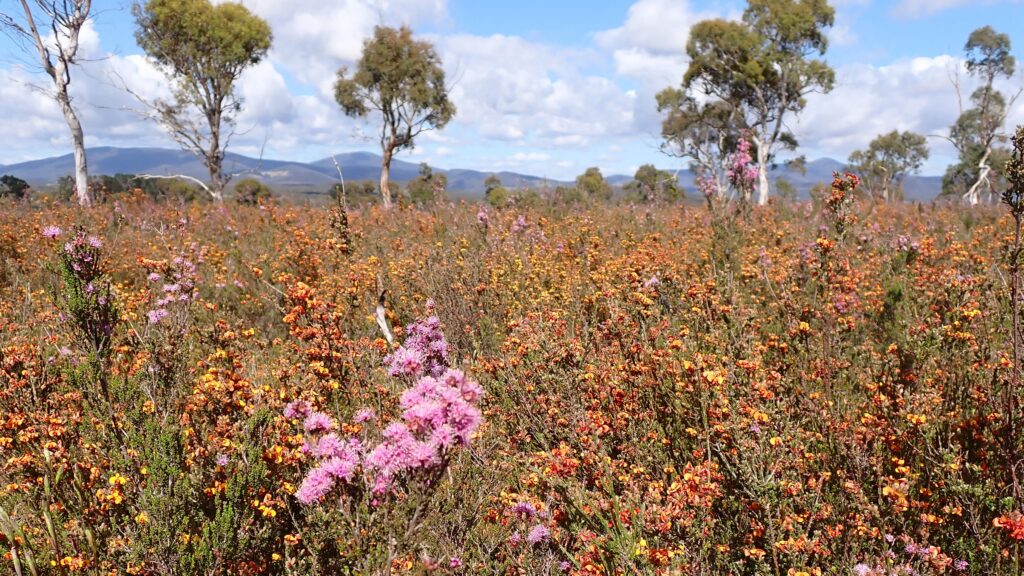
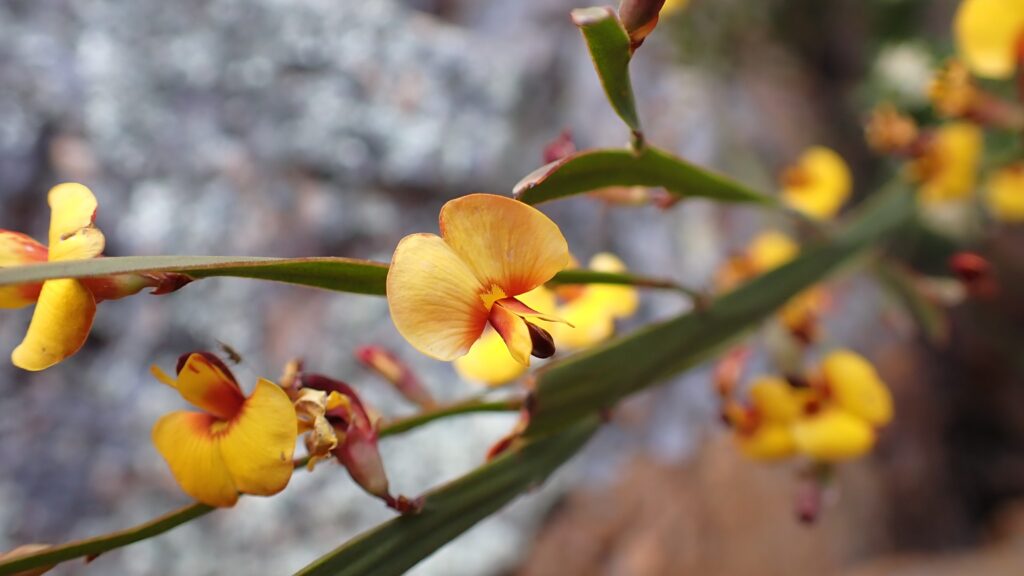
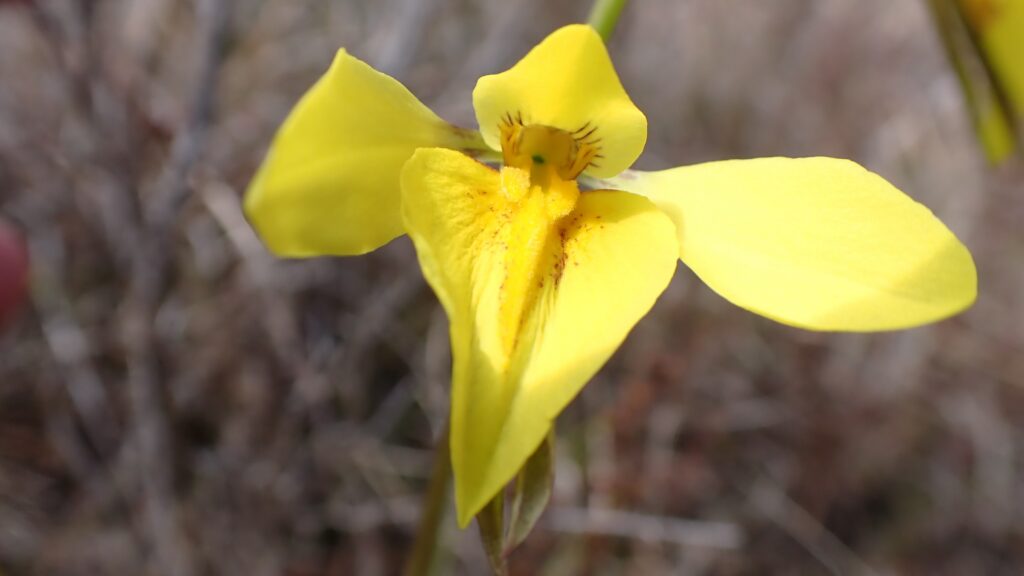
The property features native flora species such as heath forbs, shrubs, Eucalyptus, native grasses, ground orchids, lilies, many species of pea and turns purple in spring with Kunzea parvifolia. Yiramir also has the Critically Endangered shrub Bossiaea bombayensis present on the land.
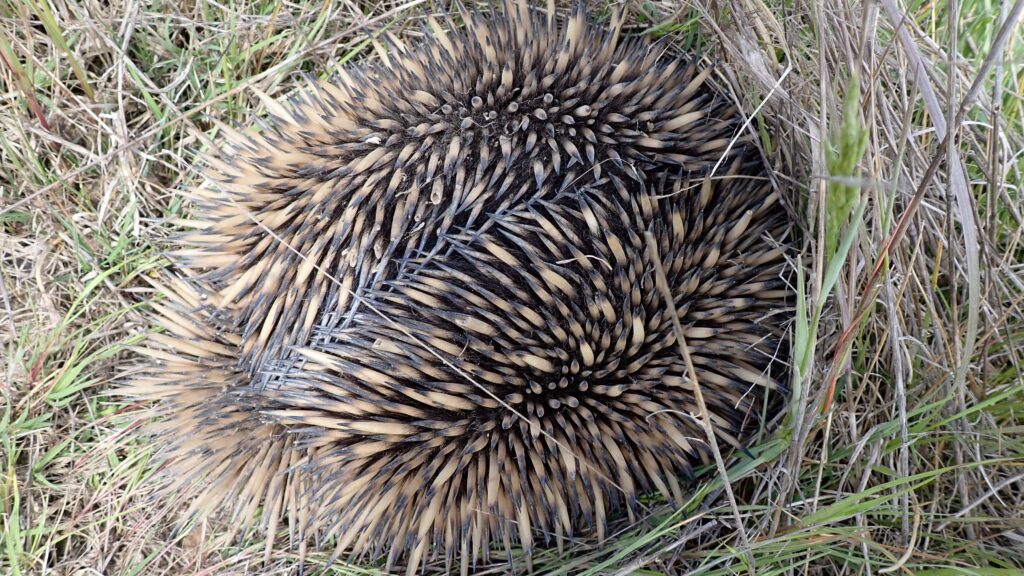
An extensive and growing number of wildlife is found at Yiramir, with preliminary bird surveys having already confirmed lyrebirds (Menura novaehollandiae), galahs (Cacatua roseicapilla), eastern rosella (Platycercus eximius) and crimson rosellas (Platycercus elegans), wedge-tailed eagles (Aquila audax) , nankeen kestrels (Falco cenchroides) , boobook owls (Ninox boobook), tawny frogmouths (Podargus strigoides), fan-tailed cuckoo (Cacomantis flabelliformis) and Sahul brush cuckoos (Cacomantis variolosus), white-faced herons (Egretta novaehollandiae), sacred kingfishers (Todiramphus sanctus), yellow-faced honeyeaters (Caligavis chrysops), noisy friarbirds (Philemon corniculatus), superb fairywrens (Malurus cyaneus), striated pardalotes (Pardalotus striatus), white-browed scrubwrens (Sericornis frontalis), brown-rumped thornbills (Acanthiza apicalis) and buff-rumped thornbills (Acanthiza reguloides), black-faced cuckooshrikes (Coracina novaehollandiae), white-winged trillers (Lalage tricolor), eastern whipbirds (Psophodes olivaceus), grey shrikethrushes (Colluricincla harmonica), rufous whistlers (Pachycephala rufiventris), Australian magpies (Gymnorhina tibicen), grey fantails (Rhipidura albiscapa), leaden flycatchers (Myiagra rubecula), Australian ravens (Corvus coronoides), eastern yellow robins (Eopsaltria australis), silvereyes (Zosterops lateralis), grey currawongs (Strepera versicolor), laughing kookaburras (Dacelo novaeguineae) as well as Endangered scarlet robins (Petroica boodang), gang gang cockatoos (Callocephalon fimbriatum), and glossy black cockatoos (Calyptorhynchus lathami). Various ducks, cormorants and lapwings (Vanellus sp.) live along the river. Mammals include echidnas (Tachyglossus aculeatus), grey kangaroos (Macropus giganteus), swamp wallabies (Wallabia bicolor), red-necked wallabies (Macropus rufogriseus), common wombats (Vombatus ursinus), platypus (Ornithorhynchus anatinus) and water rats (Hydromys chrysogaster). Reptiles include the Vulnerable Rosenberg’s goanna (Varanus rosenbergi).