The sanctuary
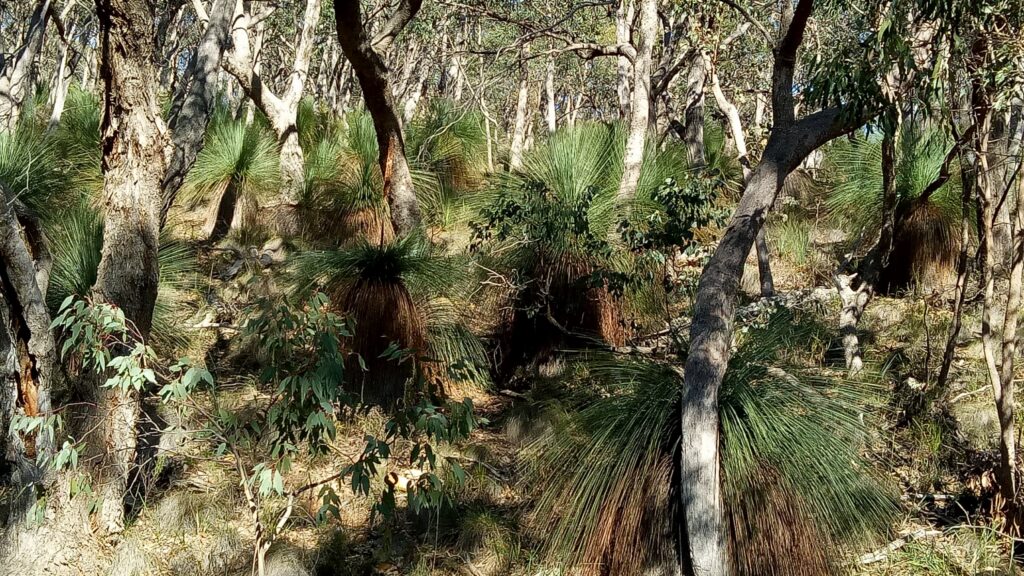
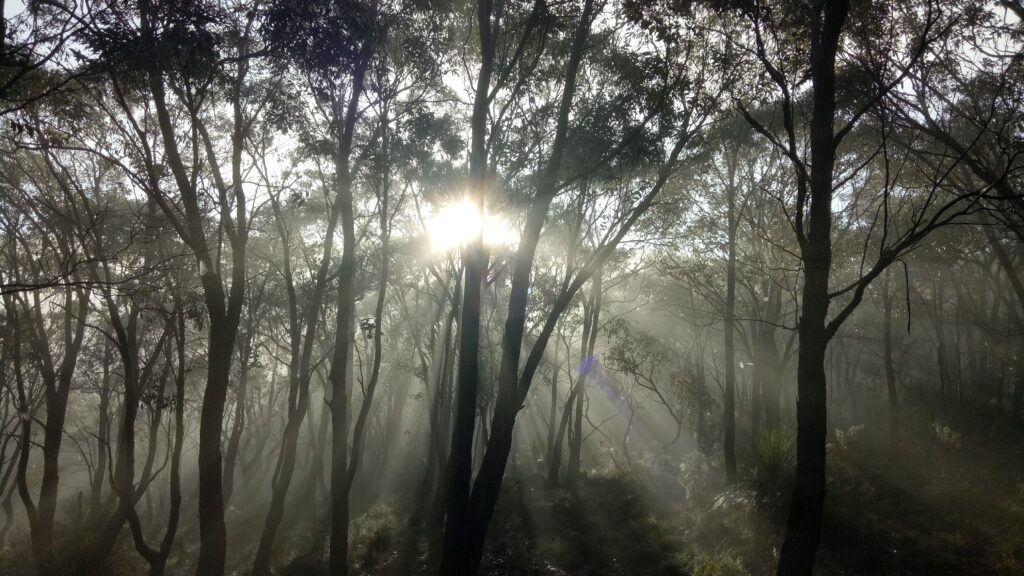
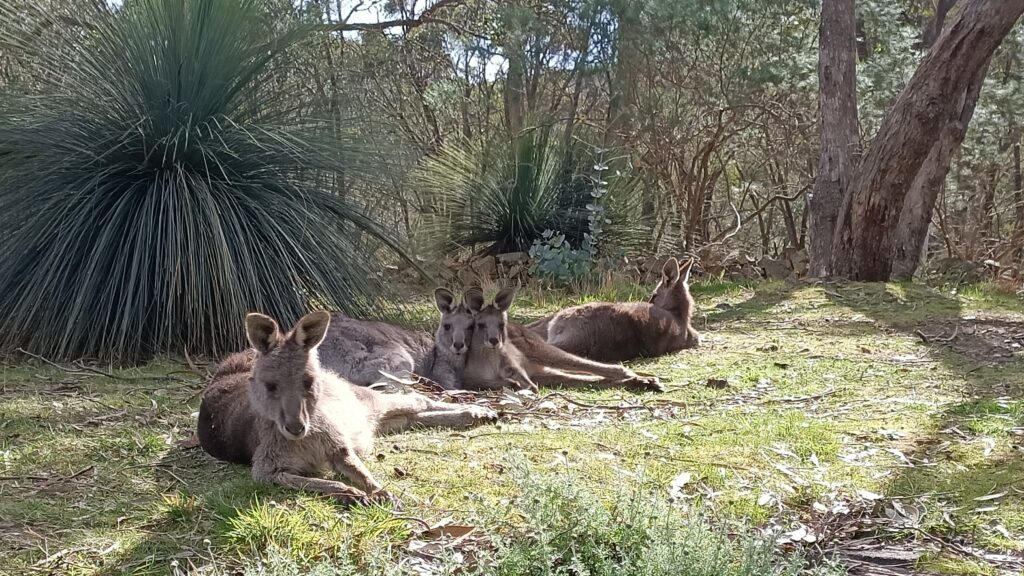
Jennifer Mann and Jonathan Overall are the owners of Taloumbi a property situated in New Gisborne northeast of Gisborne, Victoria. The property is natural Australian bushland notable for hundreds of grass trees (Xanthorrhoea). Entrance to the property is towards the top of a low mountain which is part of the Macedon Ranges. Taloumbi hosts a small glamping business that can accommodate up to 4 guests with the owners wanting to attract local and international visitors so they can learn more about how extraordinary Australia flora and fauna is and how important it is to protect them. Owner Jennifer is a professional sculptor, with her studio based on the property and is also registered wildlife carer and shelter operator. Since 2019 she has been raising and releasing on the property orphaned eastern grey kangaroo joeys who come mainly through the Wildlife Victoria rescue network. The property has seen the release of eastern grey kangaroos who have integrated with the local wild mobs and the property is still visited regularly by kangaroos that were raised from tiny joeys. The owners consider themselves custodians of this extraordinary piece of Australian bushland, wanting to protect Taloumbi because of its unique abundant flora and fauna. Taloumbi has also been registered with Land for Wildlife since 2005 and there is a local government environmental overlay on the property.
Taloumbi spans 4.05 hectares across Heathy Dry Forest. The property features native flora species such as native grasses including wallaby grass (Rytidosperma sp.), common tussock (Poa labillardierei), lomandra (Lomandra sp.) and trees such as yellow box (Eucalyptus melliodora), narrow-leaved peppermint (Eucalyptus radiata), swamp gum (Eucalyptus ovata), manna gum (Eucalyptus viminalis), Hakea sp., a range of Acacias such as silver wattle (Acacia dealbata), black wattle (Acacia mearnsii), golden wattle (Acacia pycnantha) and blackwood (Acacia melanoxylon), wild cherry (Exocarpos cupressiformis), mountain grevillea (Grevillea alpina), prickly tea tree (Leptospermum continentale), common heath (Epacris impressa), drooping cassinia (Cassinia arcuata), common cassinia (Cassinia aculeata), and an abundance of grass trees (Xanthorrhoea sp.). Native wildflowers appear annually including yam daisies (Microseris lanceolata), blue pincushions (Brunonia australis), native violets (Viola hederacea), chocolate lilies (Arthropodium strictum) and native orchids.
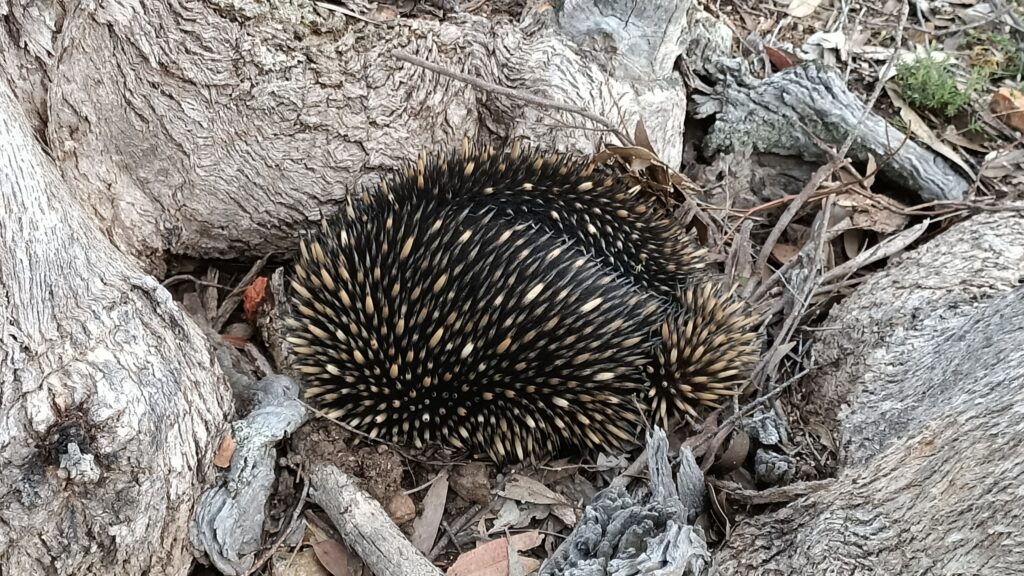
The property provides habitat for a range of species including eastern grey kangaroos (Macropus giganteus), swamp wallabies (Wallabia bicolor), echidnas (Tachyglossus aculeatus), koalas (Phascolarctos cinereus), ringtail possums (Pseudocheirus peregrinus), brushtail possums (Trichosurus vulpecula), mountain brushtail possums (Trichosurus cunninghami), wombats (Vombatus ursinus), various frog species, a colony of microbats in the veranda, blue-tongue lizards (Tiliqua scincoides), legless lizards (Delma sp.), skinks (Scincidae sp.), common dunnarts (Sminthopsis murina), Antechinus sp., magpies (Gymnorhina tibicen), kookaburras (Dacelo novaeguineae), honeyeaters (Meliphagidae sp.), superb wrens (Malurus cyaneus), scarlet robins (Petroica boodang), Australian wood ducks (Chenonetta jubata), pacific black ducks (Anas superciliosa), wattlebirds, sulphur-crested cockatoos (Cacatua galerita), yellow-tailed black cockatoos (Zanda funerea), pied currawongs (Strepera graculina), galahs (Eolophus roseicapilla), gang gang cockatoos (Callocephalon fimbriatum), corellas (Cacatua sp.), crimson rosellas (Platycercus elegans), eastern rosellas (Platycercus eximius), wrens (Malurus sp.), wedge-tailed eagles (Aquila audax), barking owls (Ninox connivens), powerful owls (Ninox strenua), white faced herons (Egretta novaehollandiae) and tawny frogmouths (Podargus strigoides).
Stay at Taloumbi
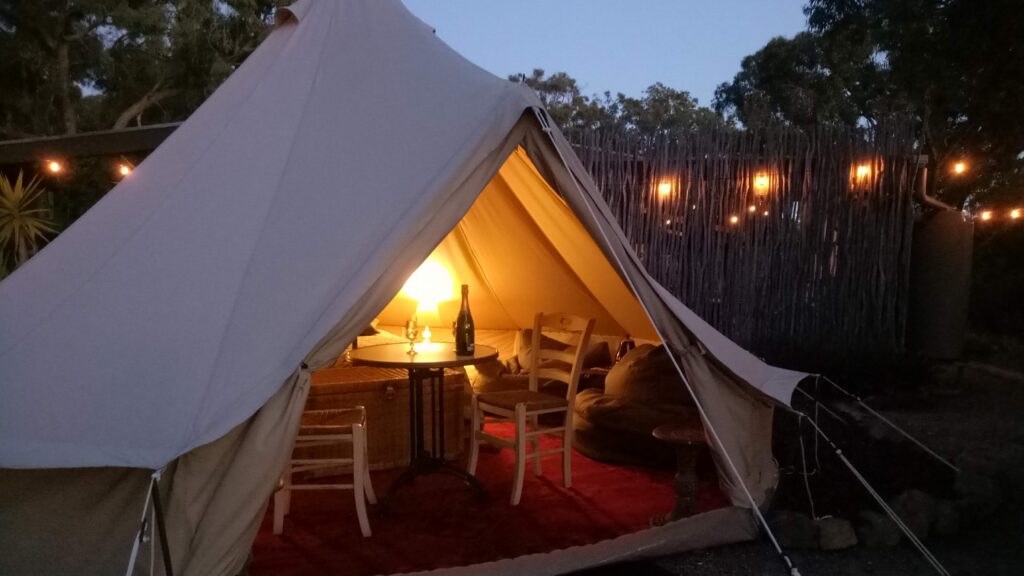
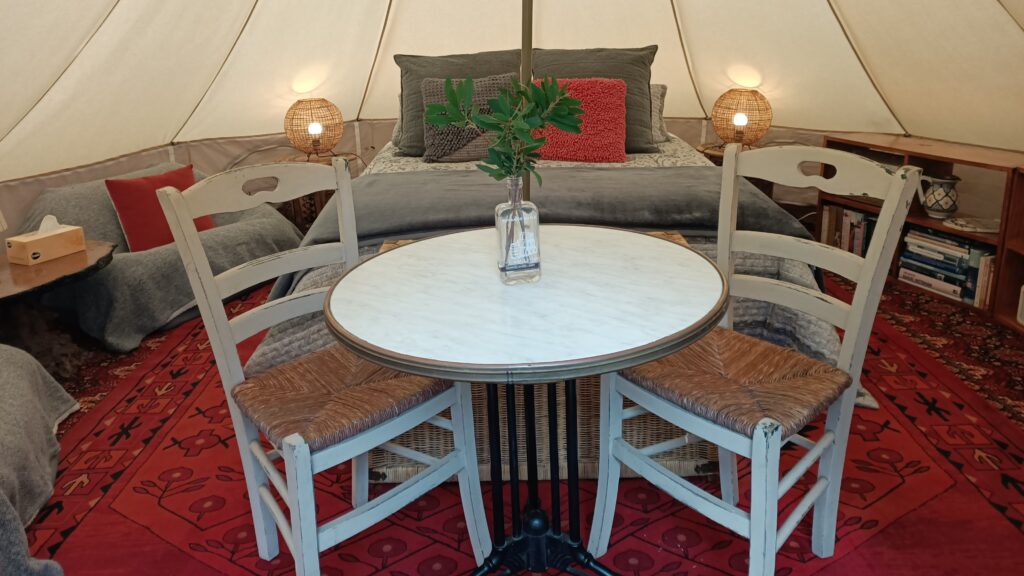
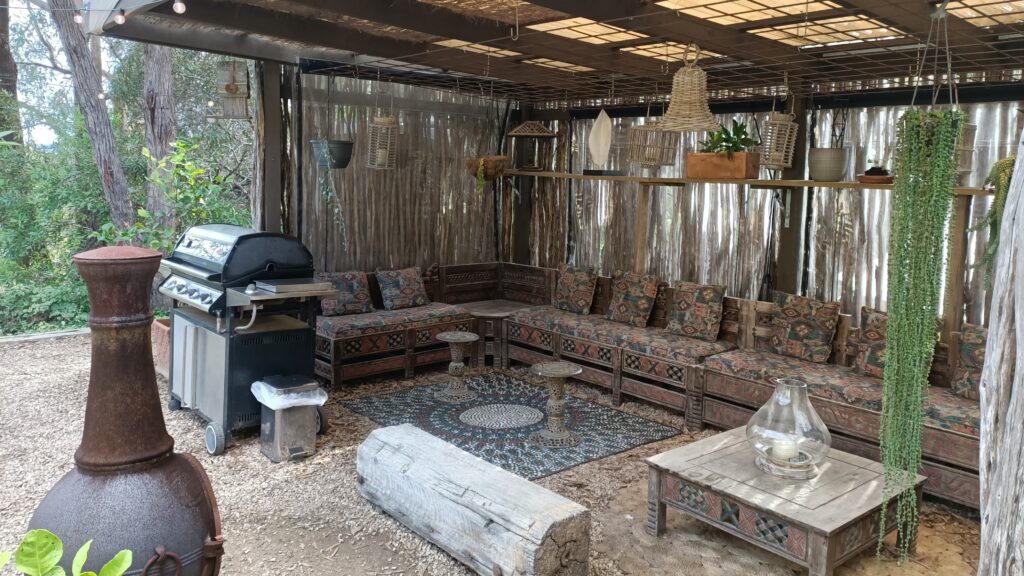
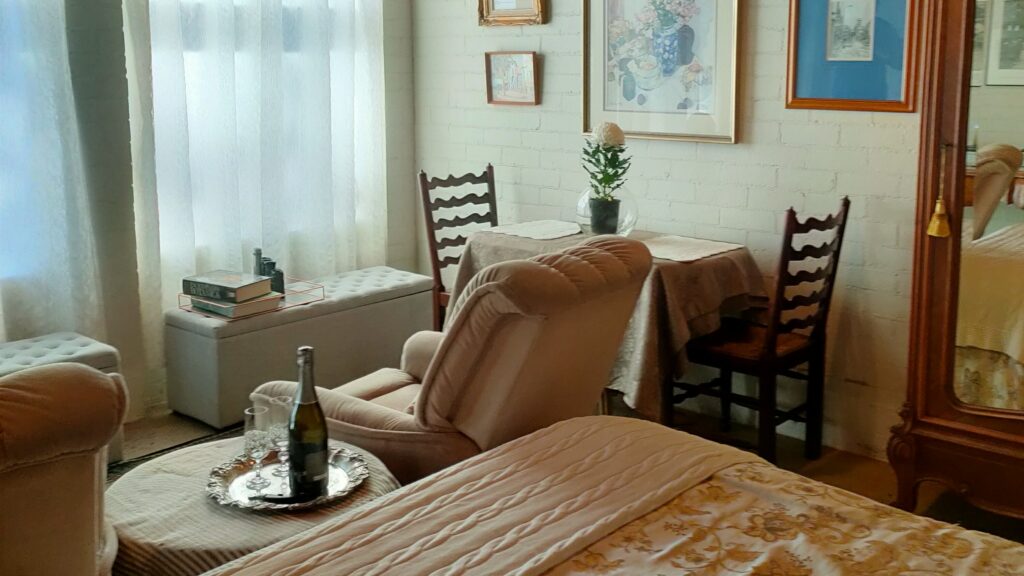
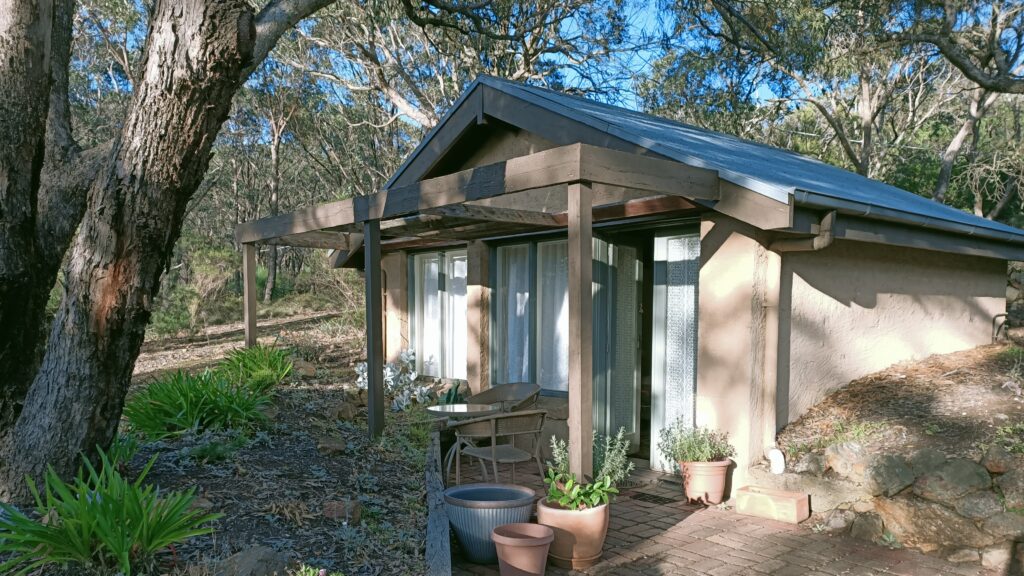
Nestled in the picturesque Macedon Ranges, an easy drive from Melbourne, Taloumbi is set on 10 acres of unique Australian bushland, brimming with ancient grass trees, seasonal wildflowers, wattles and eucalypts. Guests can look out for amazing Australian wildlife and birdlife while relaxing in our cosy boho bell tent or converted artist’s studio. We also offer guests a rare opportunity to meet our local kangaroos up close and to appreciate just how extraordinary these beautiful Australian animals are. Our bell tent and studio both have a queen size bed with quality linen, electric blanket, floor rugs, bean bags/lounge chairs, heater, fan, WiFi, bluetooth speaker, coffee and tea making facilities, complimentary sweet treats on arrival, mini fridge, crockery, cutlery and glassware. A spacious guest bathroom is located in our rustic house less than 50 metres away (via an independent entrance). It includes a toilet, shower (over a bath) and a vanity, with fresh towels and essential toiletries. An à la carte vegetarian or vegan breakfast with room service is included. Guests are welcome to explore our property and use our 10-metre swimming pool (in Summer), chiminea and BBQ area, with sweeping views of the valley below. Please bring warm clothes in winter, bathers and beach towels in summer, and sturdy walking shoes all year round.