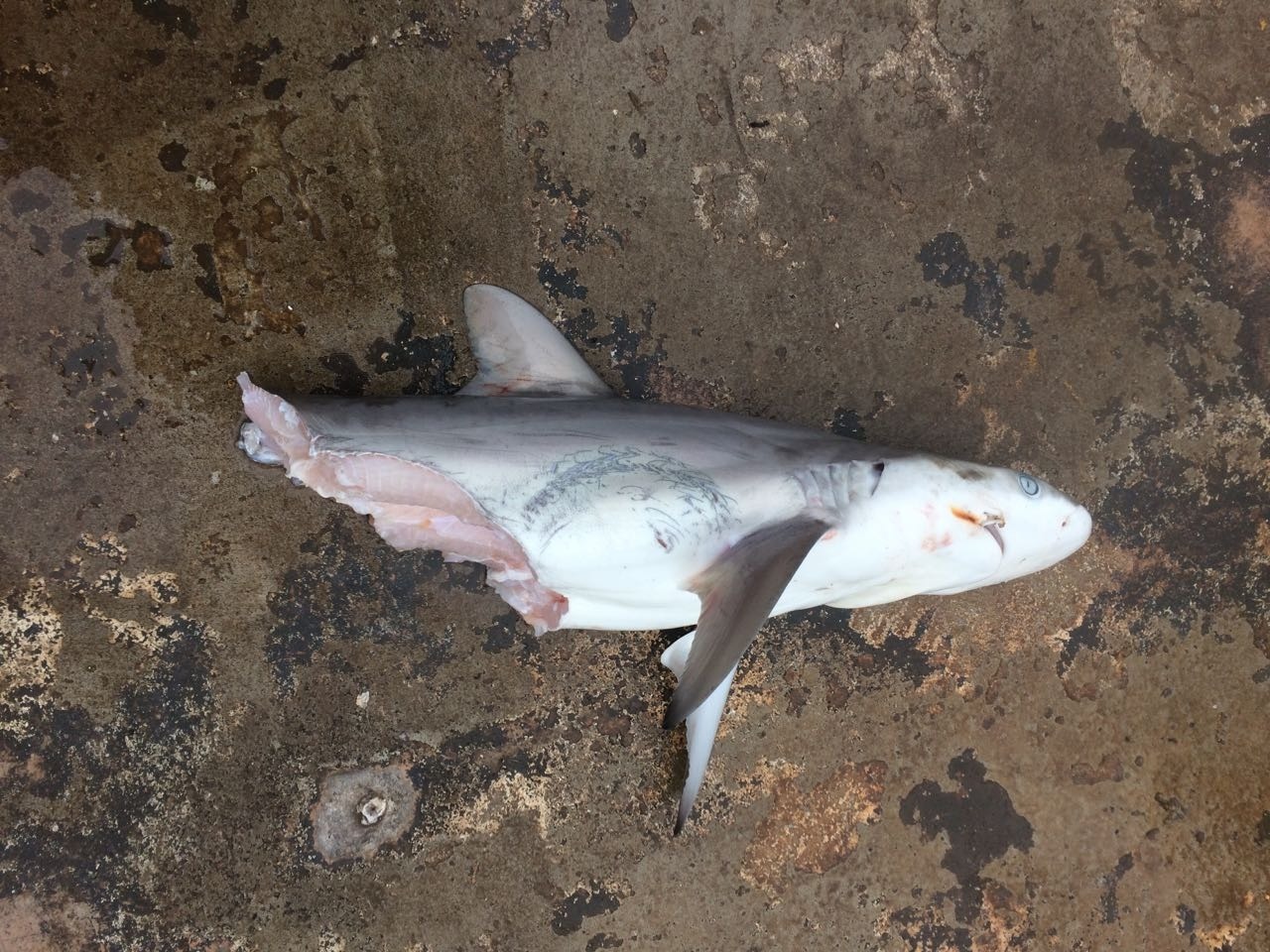
SYDNEY (March 11, 2026)—Humane World for Animals Australia’s marine ecologist, Lawrence Chlebeck is warning against rising calls for a cull of bull sharks, urging Sydneysiders to instead call on their local MPs and relevant ministers to continue investing in technology that will actually keep swimmers safe. As an ecologist, field biologist and environmental consultant, Mr Chlebeck’s work has focused extensively on examining the efficacy of...
Australia is home to four native species of flying-foxes (grey-headed, black, little red and spectacled), all of which play vital roles in pollination and seed dispersal.
Sadly, flying-fox populations are in rapid decline, with some species now listed as vulnerable or endangered. These magnificent creaturesare increasingly under threat due to climate change, habitat destruction, food shortages and disease.
Without flying-foxes, both ecosystems and food production would suffer significant disruptions. As extreme weather events and environmental pressures intensify, these vital creatures need our help more than ever.
Threats
Heat stress events: A growing threat
One of the most devastating impacts on flying-fox populations is heat stress. When temperatures exceed 38°C, flying-foxes begin thermoregulatory behaviours like wing-fanning, panting and licking their wings to cool down. But when the temperature surpasses 42°C, these strategies often fail, leading to dangerous levels of hyperthermia. In 2018, a heatwave in Far North Queensland killed around 23,000 spectacled flying-foxes—about one-third of their population.
Heat stress disproportionately impacts pups and lactating females, who have higher metabolic needs and lower tolerance to extreme temperatures. As heat events become more frequent due to climate change, we expect these mass die-offs to increase, further threatening the survival of these species.
Flying-Fox Paralysis Syndrome (FFPS)
An emerging threat to flying-fox populations is Flying-Fox Paralysis Syndrome (FFPS), which has been observed since 2020, primarily in grey-headed and little red flying-foxes in Queensland and northern New South Wales. The syndrome causes limb weakness, difficulty swallowing, impaired blinking, and respiratory problems, with some affected bats unable to fly or feed.
While the cause of FFPS remains unclear, environmental toxins or new diseases may be contributing factors. The lack of understanding around FFPS makes it even more difficult to mount an effective response, but ongoing research is critical to protect these species and mitigate the impact of this mysterious syndrome.
Food shortage and Habitat destruction
Flying-foxes primarily feed on nectar and fruit, relying on native trees like eucalyptus, melaleuca, and figs. However, food scarcity can occur when flowering and fruiting cycles fail due to drought, bushfire, or other environmental disruptions. Habitat destruction due to urban expansion and climate change further exacerbates the problem, as flying-foxes are forced to travel longer distances in search of food, leaving them more vulnerable to exhaustion and injury.
When these events occur, flying-foxes may be found weak, malnourished, or grounded. This food scarcity also hampers reproduction, with pups experiencing lower survival rates. The combined stress of habitat loss and malnutrition can devastate flying-fox colonies.
How Humane World for Animals Australia is helping
Humane World for Animals Australia is committed to supporting flying-foxes through these challenging times. Our response includes:
- On-ground deployment during critical events: We provide rapid rescue and rehabilitation efforts during heat stress, food scarcity, and paralysis events.
- Equipment and infrastructure support: We help rescue groups by providing essential infrastructure such as aviaries and rescue poles to assist with the retrieval of affected flying-foxes from high trees and dangerous locations.
- Essential supplies: During times of crisis, we supply food, milk replacers, and feeding equipment to help stabilize malnourished flying-foxes and care for orphaned pups.
- Long-term strategic planning: We collaborate with rescue groups to improve preparedness and response capabilities, ensuring that carers are equipped to handle the complexities of each crisis. Our strategic focus on increasing rescue capacity and ensuring volunteer safety is a critical part of our support.
- Funding for critical infrastructure: For example, we helped fund the construction of Victoria’s largest flying-fox aviary, strategically placed near heat-vulnerable camps, to provide long-term support for affected pups during heat events.
How you can help
There are several ways individuals can support flying-foxes and contribute to their conservation efforts:
- Provide water: During heatwaves, flying-foxes require hydration. You can help by setting up a safe, clean water source for flying-foxes in your backyard or garden. Ensure the water is in a secure container placed in a tree to avoid spreading disease. Never add electrolytes or sugar, as these can harm the bats.
- Protect trees with wildlife-friendly netting: If you have fruit or flowering trees on your property, consider using fine mesh bags or wildlife-friendly netting to protect them from flying-foxes. Ensure the netting is safe and won’t entrap animals.
- Be vigilant during heat events: If you see flying-foxes panting or descending from trees, this could indicate heat stress. Contact a licensed wildlife rescue provider immediately. Do not attempt to touch or handle flying-foxes unless you are a trained wildlife responder.
- Report suspected cases of Flying-Fox Paralysis Syndrome: If you find a flying-fox displaying signs of paralysis, contact a local wildlife rescue group for guidance. FFPS is a serious condition that requires expert intervention.
- Support local wildlife rescue groups: Volunteer, donate, or advocate for wildlife rescue organisations that provide essential care during these critical events. Your support can help ensure the survival of flying-fox populations.
A brighter future for flying-foxes
Flying-foxes are a crucial part of Australia’s natural heritage and protecting them is vital for the health of our ecosystems. While their survival faces significant challenges, community action can make a difference. With continued research, habitat restoration, and public awareness, we can help safeguard these magnificent creatures for future generations.