(March 25, 2026)—An alliance of animal welfare groups is calling out Victorian Premier Jacinta Allan MP as stakeholders were informed that long-awaited reform to the state’s animal welfare legislation may not make it in front of parliament this year due to a busy agenda and fewer sitting days. The Australian...
One of the most important global meetings on wildlife trade has just wrapped up in Uzbekistan. It’s capital city Samarkand was where governments convened for the 20th Conference of the Parties (CoP20) to the Convention on International Trade in Endangered Species of Wild Fauna and Flora (CITES) to decide how international trade should be managed for some of the world’s most threatened species. As always Humane World for Animals had a team at the CITES CoP urging governments to take the right decisions.
What is CITES?
CITES is a multilateral UN treaty between 184 countries that regulates international trade in wildlife. Species are placed into different Appendices depending on the level of protection needed:
- Appendix I lists species already threatened with extinction and highly vulnerable to trade. International trade in wild-sourced specimens is only allowed in exceptional circumstances and under strict controls.
- Appendix II covers species not currently threatened with extinction but likely to become so unless trade is carefully regulated. Trade is allowed but only with permits and only when it can be shown not to harm wild populations.
- Appendix III lists species that a particular country protects domestically and for which it is seeking international cooperation to control trade.
How CITES works
Every three years, governments meet to discuss and vote on proposals to change the level of protection afforded to specific species. If consensus isn’t reached, proposals are decided by a two-thirds majority vote. Debates can be contentious, reflecting different conservation priorities, cultural values, and economic interests. Alongside species listings, Parties also consider documents on compliance, enforcement, welfare and broader policy frameworks that influence how CITES functions in practice.
Implementation of CITES is dependent on global cooperation and each country enforcing CITES protection through their own regulatory systems.
This year, Parties considered dozens of proposals spanning the full spectrum of wildlife trade — from marine species to trophy-hunted mammals to reptiles and mammals caught up in the exotic pet trade. One clear theme emerged: countries showed a stronger appetite for precaution, especially when it came to species with very restricted ranges.
Below is a summary of how key issues unfolded.
Marine
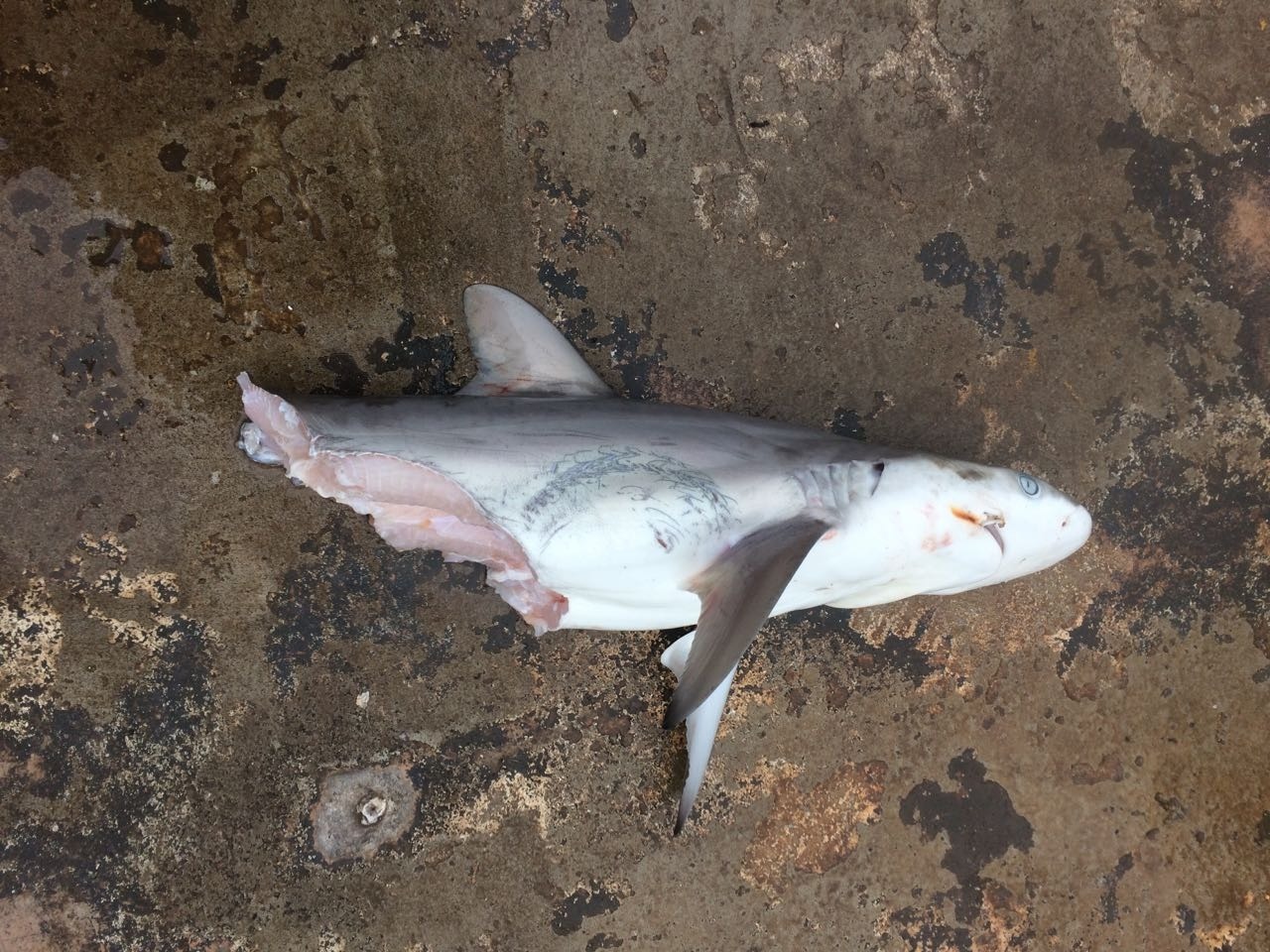
Marine wildlife represented a significant portion of this year’s agenda — and with good reason. Shark and ray populations continue to crash worldwide due to demand for fins and gill plates, and targeted take and bycatch in industrial fisheries. For many species, trade controls have lagged behind scientific evidence.
At CoP20, Parties adopted some of the strongest shark and ray protections in CITES history:
-
Oceanic whitetip sharks, whale sharks, manta rays and devil rays were uplisted to Appendix I after suffering steep, long-term population declines. reflecting continued unsustainable demand.
-
Wedgefish, giant guitarfish, school sharks (tope), smoothhounds, and gulper sharks received new zero-export quotas or Appendix II listings to reduce overexploitation and tighten international controls.
For many marine species, these decisions may finally help to slow — or even reverse — decades of decline. And in keeping with this CoP’s broader theme, several of the species receiving new protections are narrow-range endemics, making them especially vulnerable to exploitation.
But not all marine animals benefited. Proposals to introduce trade controls for multiple eel species failed to reach the required majority, leaving them open to continued overexploitation and trade. Several sea cucumber species, and the abalone – a species endemic to South Africa – both heavily targeted for luxury food and traditional medicine markets, also missed out on stronger protections despite mounting evidence of widespread declines. The abalone proposal was abruptly withdrawn by South Africa after the party initially asked that it be delayed to later in the agenda. These outcomes underline that even in a year of major gains, progress remains uneven.
Trophy hunting
Several proposals sought to loosen restrictions on the trade in elephant and rhino products — including ivory, horn, hides, and leather goods. Namibia and a coalition of southern African countries pushed for amendments that would have reopened or expanded commercial trade.
Parties did reject some of the most concerning attempts, including:
-
Efforts to sell government-held ivory stockpiles.
-
Proposals to broaden commercial trade in elephant products.
-
Moves to expand trade in rhino horn or alter listings to allow commercial sales.
However, African elephants did not emerge from CoP20 entirely protected. A proposal submitted by Botswana, Cameroon, Côte d’Ivoire, Namibia and Zimbabwe, was adopted. This amendment to the African elephant Appendix II annotation reduces safeguards and enables increased commercial trade in elephant products — including leather goods from Zimbabwe — as well as the export of live elephants from Namibia and South Africa, with several parties reiterating that live trade should be limited to acceptable and appropriate and in situ destinations only.
For elephant populations already under pressure from habitat loss, poaching and fragmentation, and commercial trade in leather items is a worrying step. It also stands in stark contrast to the otherwise precautionary tone of the CoP and raises serious concerns about how these relaxed rules may play out in practice.
A proposal to remove protections against international trade from giraffe populations in Angola, Botswana, Eswatini, Malawi, Mozambique, Namibia, South Africa and Zimbabwe was unsuccessful. Giraffes were only recently listed on Appendix II in 2019 due to high volumes of trade in their bones and skins. The exploitation had the very real potential to threaten them with extinction and continues to put pressure on giraffe populations today. If the proposal had succeeded, it would have created a “split listing” where trade in giraffes was restricted in some countries but not in others. As the majority of trade in giraffe parts is in their bones and skins, which are not easily distinguishable between different populations, it would also have created major enforcement challenges.
Wild animal pet trade
Demand for rare reptiles, birds and mammals is surging globally, and CoP20 gave long-overdue attention to the biodiversity impacts of the wild animal pet trade. Species with small or isolated ranges — often limited to a single mountain range, island or patch of forest — are especially vulnerable, as they are prized by collectors and even low-level poaching can wipe out local populations.
This CoP delivered important wins:
- Australia’s Mount Elliot leaf-tailed gecko and the Ringed thin-tail gecko were listed on Appendix II. Both have extremely limited distributions and have been targeted by illegal collectors.
- Galápagos land iguanas and marine iguanas were transferred to Appendix I, acknowledging threats from climate change, habitat disturbance, and international trafficking.
- Two-toed sloths from Central America were added to Appendix II due to pressures from habitat loss, fires, and the pet-tourism trade.
A CoP defined by protecting endemics
Across the agenda, one theme stood out: Parties repeatedly prioritised animals with narrow, specialised, or isolated ranges — irreplaceable species thatcan be all too easily wiped out.Their protection requires decisive, precautionary action — something CoP20 delivered in several important areas.
CoP20 showed that when governments work together and put science and conservation ahead of commercial interests, the Convention remains capable of meaningful action. The challenge now lies in robust enforcement to ensure that these decisions translate into effective protections on the ground.