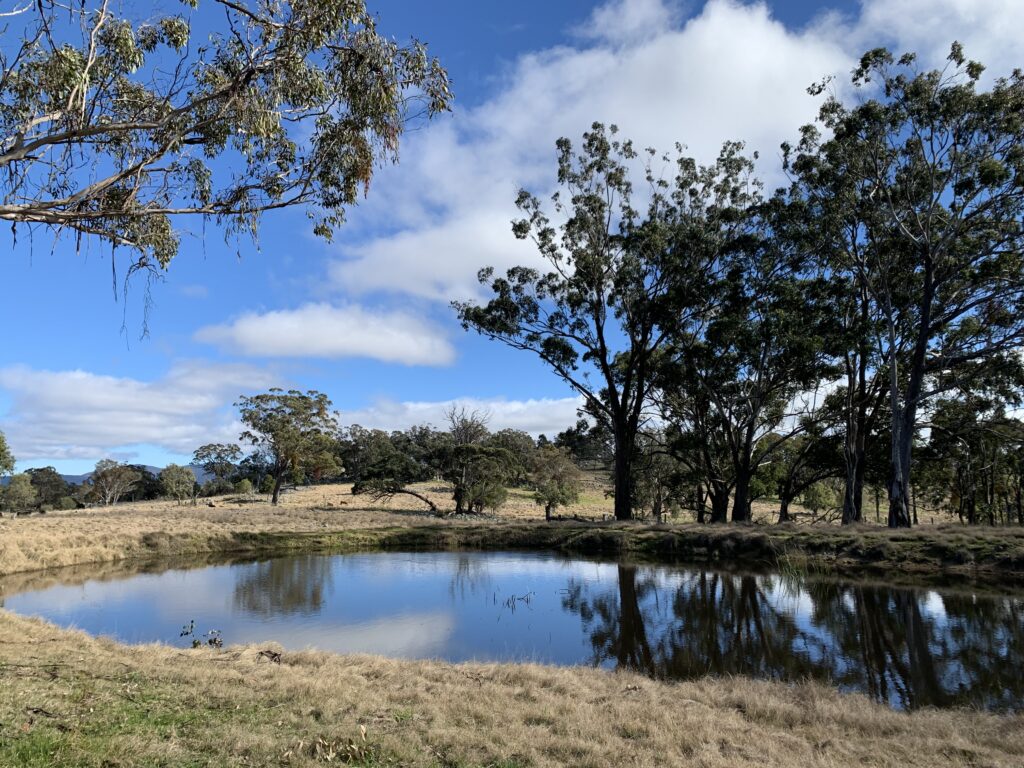
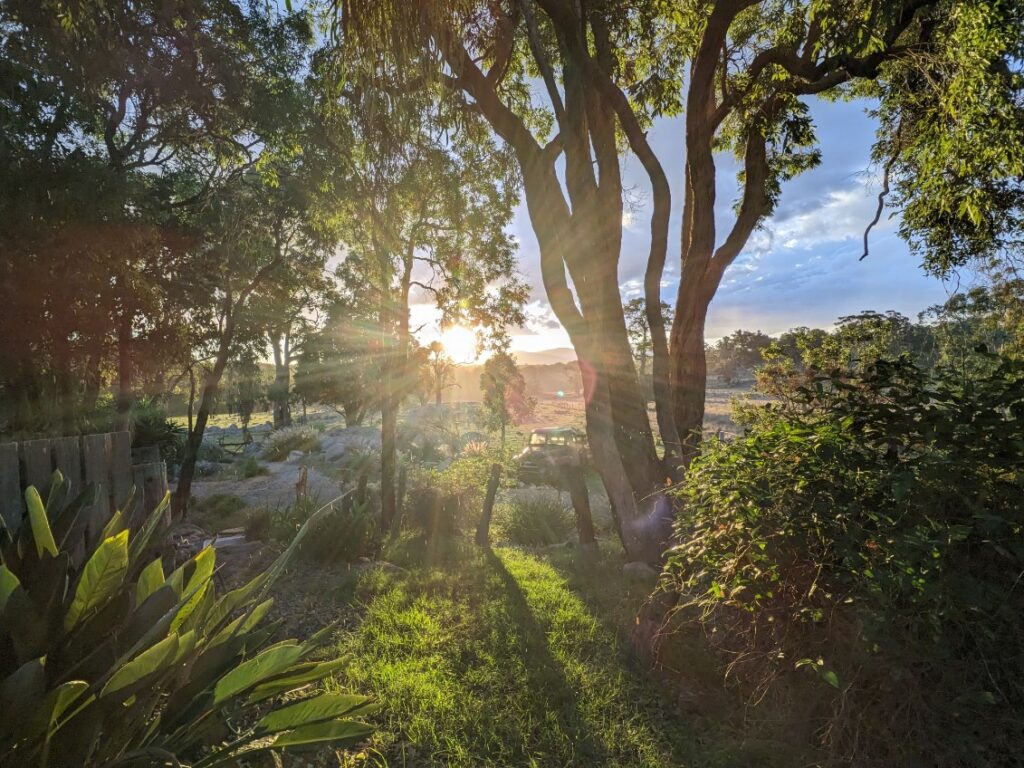
Emma Jensen and Jason Parnell are the owners of Better Be Home Soon, a property situated in Tenterfield, New South Wales. The property is entirely off grid with landscaped gardens as well as large section of grassland, a dam and sections left as wildling. A small vegetable garden and some fruit trees are present on the garden off the deck of the house, frequented by native birds. Owner Emma holds qualifications in permaculture design and land healing, working with earth energies to harmonise and balance properties, with a particular passion on doing this work for wildlife and working with owners who want to increase or bring back native species to their land, and provide safe corridors. In addition, the owners intend to train to be licensed in wildlife rehabilitation to join the local wildlife care community and create safe pathways for wildlife. They also aim to raise public awareness for visitors of the region for how they can support native wildlife and offer opportunities to learn about animal welfare.
Better Be Home Soon spans 5 acres across Tenterfield Plateau Stringybark-Apple Forest. The property features native flora species such as Eucalyptus, wattle, and a mix of native and introduced grasses.
Native wildlife found at Better Be Home Soon, include kangaroos predominantly eastern grey kangaroos (Macropus giganteus), red-necked wallabies (Notamacropus rufogriseus), swamp wallabies (Wallabia bicolor), echidnas (Tachyglossus aculeatus) wallaroos (Osphranter robustus) and brushtail possums (Trichosurus vulpecula). Numerous native birdlife visit or nest on the property including red‑winged parrots (Aprosmictus erythropterus), turquoise parrots (Neophema pulchella), satin bowerbirds (Ptilonorhynchus violaceus), rainbow lorikeets (Trichoglossus moluccanus), galahs (Eolophus roseicapilla), king parrots (Alisterus scapularis), kookaburras (Dacelo novaeguineae), willy wagtails (Rhipidura leucophrys), magpies (Gymnorhina tibicen), crimson rosellas (Platycercus elegans), eastern rosellas (Platycercus eximius), grey shrike‑thrush (Colluricincla harmonica), eastern yellow robins (Eopsaltria australis), pale yellow robins (Tregellasia capito), choughs (Corcorax melanorhamphos), brown treecreepers (Climacteris picumnus), superb fairy‑wrens (Malurus cyaneus), honeyeaters (Meliphagidae spp.), Australian wood ducks (Chenonetta jubata), crested pigeons (Ocyphaps lophotes), wonga pigeons (Leucosarcia melanoleuca), eastern koels (Eudynamys orientalis), welcome swallows (Hirundo neoxena), silvereyes (Zosterops lateralis), grey butcherbirds (Cracticus torquatus), double‑barred finches (Stizoptera bichenovii), little grassbirds (Poodytes gramineus), green catbirds (Ailuroedus crassirostris), black cockatoos (Calyptorhynchus spp.) and sulphur‑crested cockatoos (Cacatua galerita).